
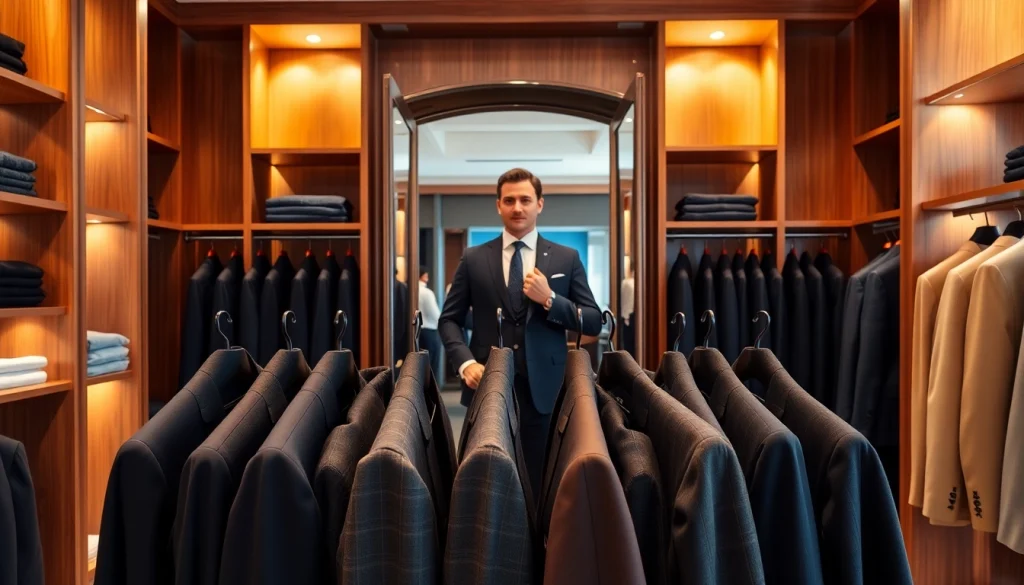
In an era where individuality is cherished more than ever, the demand for tailored clothing has surged. Among the most coveted options are Bespoke custom made suits. These suits are not merely garments; they signify an understanding of personal style, craftsmanship, and the wearer’s unique silhouette. This article dives deep into the world of bespoke suits, elucidating their appeal, the meticulous creation process, and valuable style advice for discerning gentlemen.
Understanding Bespoke Custom Made Suits
What Defines Bespoke Custom Made Suits?
Bespoke custom made suits are the epitome of tailoring luxury. They are designed from scratch based on the individual’s unique measurements and preferences. Unlike off-the-rack suits, which are produced in standard sizes and shapes, bespoke suits undergo a comprehensive design process that includes an extensive consultation with a skilled tailor. This allows for a precise fit that hugs the body’s contours perfectly, combining both functionality and flair. The bespoke process is not limited to the suit’s dimensions; it encompasses style preferences, fabric choices, and even details such as button placements and pocket designs.
Benefits of Choosing Bespoke Custom Made Suits
Choosing bespoke suits presents numerous advantages:
- Exceptional Fit: The primary benefit lies in the perfect fit; each suit is made specifically for the wearer’s body shape.
- Personalized Style: You have complete control over design choices, allowing your personality to shine through.
- Quality Materials: Bespoke suits often employ high-quality fabrics that offer durability and comfort.
- Craftsmanship: Tailors typically employ traditional techniques that enhance the suit’s overall appearance and lifespan.
- Investment Value: A well-made bespoke suit can last a lifetime when cared for properly, making it a worthwhile investment.
Materials Used in Bespoke Custom Made Suits
Material selection is an integral part of the bespoke journey. Commonly used fabrics include wool, linen, cotton, and silk. Each fabric has unique properties that make it suitable for specific occasions and climates:
- Wool: Versatile and durable, wool is ideal for year-round wear and holds its shape well.
- Linen: Lightweight and breathable, linen suits are perfect for warm-weather occasions, though they wrinkle easily.
- Cotton: Known for its comfort, cotton offers a casual element to bespoke tailoring.
- Silk: Often used for linings or accents, silk adds a luxurious touch and smooth finish to suits.
The Process of Making Bespoke Custom Made Suits
Measuring for a Flawless Fit
The journey of creating a bespoke suit starts with measurements. A skilled tailor will take various measurements—more than just the chest and waist circumference. Measurements include shoulder width, arm length, thigh width, and even the client’s unique stance. Each measurement is recorded meticulously to ensure a fit that not only looks good but feels comfortable throughout various activities.
Choosing Fabrics and Styles
Following the measurements, you delve into selecting fabrics and styles. This step allows you to consider the suit’s purpose—whether it’s for a wedding, business, or casual event. Explore various textures and finishes. Additionally, you may choose the suit’s construction style (e.g., single-breasted or double-breasted) and consider trending styles to ensure your suit remains timeless yet fashionable.
Final Adjustments and Fittings
After the initial construction of the suit, an essential fitting stage ensues. During this fitting, the tailor makes adjustments based on how the suit sits on your body. Common adjustments include tailoring the sleeves, altering the jacket length, and ensuring the trouser fit is precise. This interaction allows for an interactive exchange between tailor and client, ensuring comfort and style objectives are met.
Styling Tips for Your Bespoke Custom Made Suits
Accessorizing Your Bespoke Custom Made Suit
Accessorizing can elevate a bespoke suit from standard to extraordinary. Choose accessories such as ties, pocket squares, and cufflinks that complement the suit’s color and fabric. Consider the occasion to select appropriate pieces; formal events might call for silk ties and classic cufflinks, while a more relaxed atmosphere may allow for vibrant colors and playful patterns.
Color Choices and Their Impact
Colors play a substantial role in how a suit is perceived. Classic colors like navy or charcoal project professionalism, while brighter colors can express personality and creativity. Darker shades typically work well in colder seasons, while lighter shades are preferential during summer months. Always keep skin tones in mind; warmer tones may best suit earth colors, while cooler tones may work well with blues and grays.
Occasions for Wearing Bespoke Custom Made Suits
Bespoke suits are versatile and suitable for multiple occasions. Understanding how to wear them can maximize their impact:
- Weddings: Custom suits can be crafted to fit the theme and color palette of the wedding, ensuring the groom stands out.
- Corporate Events: A tailored suit can enhance professionalism in business settings, allowing for confidence during important meetings.
- Cocktail Parties: Incorporating stylish details can make a bespoke suit appropriate for social gatherings.
- Casual Outings: When styled appropriately, bespoke suits can be worn at more informal events, highlighting their versatility.
Comparing Bespoke Custom Made Suits and Off-the-Rack Options
Price Point: Are Bespoke Custom Made Suits Worth It?
While bespoke suits may come at a higher initial price compared to off-the-rack options, their long-term benefits can justify the cost. The investment of time and money typically results in a suit that not only fits perfectly but also lasts significantly longer, preventing the need for frequent replacements that off-the-rack may require.
Quality and Craftsmanship Differences
Quality stands as a hallmark of bespoke tailoring. Craftsmanship includes techniques such as hand-stitching and fine detailing, elements often overlooked in mass-produced garments. The effort and precision employed in creating bespoke suits significantly enhance their durability, aesthetic appeal, and overall quality compared to off-the-rack alternatives.
Customer Experience with Bespoke Custom Made Suits
The customer experience of acquiring a bespoke suit is profoundly personal. This process often fosters a relationship between the client and tailor, where communication of style preferences and requirements plays a pivotal role. In contrast, off-the-rack shopping can often feel impersonal and impromptu, lacking the tailored guidance and expertise that bespoke services provide.
Frequently Asked Questions about Bespoke Custom Made Suits
How much does a bespoke custom made suit cost?
The cost of bespoke custom made suits varies widely based on factors like fabric, complexity, and tailor expertise. Generally, prices start at a few thousand dollars but can increase depending on your choices.
How long does it take to create a bespoke custom made suit?
Creating a bespoke suit typically takes several weeks to months. This time accounts for measuring, fitting, and adjustments, ensuring every detail is perfect.
Can I customize the design of a bespoke custom made suit?
Yes, customization is one of the main benefits of bespoke suits. You can select fabrics, colors, and style details to reflect your personal taste precisely.
What should I wear with a bespoke custom made suit?
Your choice of attire should harmonize with the suit. Dress shirts, ties, and shoes should complement the suit’s color and fabric for a polished look.
How do I maintain my bespoke custom made suit?
Care for your bespoke suit by dry cleaning it sparingly, spot cleaning as needed, and ensuring it is stored properly on a quality hanger to retain its shape.