
Future Trends in Battery Energy Storage System Development
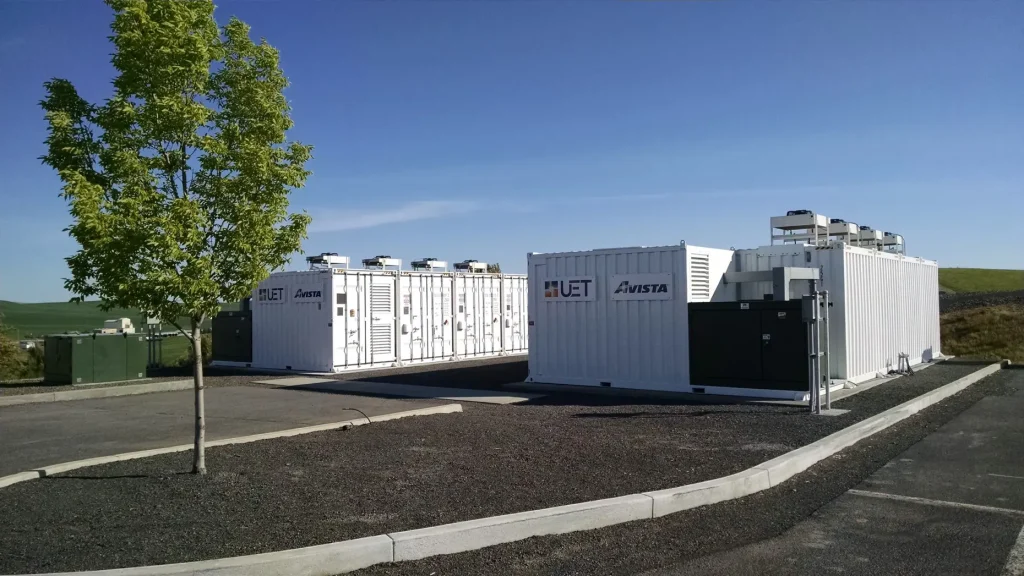
The global energy landscape is changing faster than ever, and the battery energy storage system is at the center of this transformation. As renewable power generation expands and energy reliability becomes a top priority, new innovations are reshaping how a Battery energy storage system is designed, deployed, and managed. In 2025 and beyond, several powerful trends will define the next generation of storage solutions, making the battery energy storage system smarter, safer, and more efficient than anything seen before.
- Rising Adoption of Advanced Battery Chemistries
- Expansion of Grid-Interactive Capabilities
- AI-Powered Energy Optimization
- Larger-Scale Utility Deployments
- Modular and Customizable Architectures
- Sustainability and Eco-Friendly Manufacturing
- Improved Thermal Management Systems
- Hybrid Energy Systems With Renewables
- Edge and Off-Grid Energy Solutions
- Declining Costs Due to Manufacturing Innovation
- Growing Emphasis on Cybersecurity
- Conclusion
Rising Adoption of Advanced Battery Chemistries
The shift toward improved battery chemistries is one of the biggest trends in the evolution of the battery energy storage system. Lithium iron phosphate (LFP) continues to dominate due to its long lifespan and safety advantages. Meanwhile, sodium-ion technology is emerging as a highly attractive option for large-scale applications. These innovations help reduce costs and boost performance, ensuring each battery energy storage system delivers dependable power for extended periods.
Growth of Sodium-Ion Technology
Sodium-ion batteries use abundant raw materials, making them more cost-efficient. This will position them as a competitive alternative for utility-scale battery energy storage system installations, especially in regions prioritizing low-cost energy solutions.
Expansion of Grid-Interactive Capabilities
The future battery energy storage system will not simply store and release energy—it will become a key component of smart grids. Advanced integration allows the system to communicate seamlessly with utilities, renewable plants, and smart devices.
Real-Time Grid Support
Enhanced digital connectivity enables a battery energy storage system to react instantly to grid fluctuations. This trend strengthens grid reliability and supports more renewable penetration across global markets.
AI-Powered Energy Optimization
Artificial intelligence is becoming essential for optimizing the performance of every modern battery energy storage system. Advanced algorithms analyze energy usage patterns, weather forecasts, electricity pricing, and grid signals to manage charging and discharging automatically.
Predictive Management
AI allows the battery energy storage system to anticipate peak demand, storage needs, and pricing volatility. This predictability leads to higher efficiency, longer battery life, and better financial returns.
Larger-Scale Utility Deployments
Utility-scale projects are growing in size and complexity. As more renewable plants connect to the grid, large battery energy storage system installations are required to stabilize supply and balance energy fluctuations.
Multi-Gigawatt Projects
Countries are investing in multi-gigawatt systems that combine solar, wind, and a battery energy storage system to form highly resilient renewable hubs. This trend demonstrates the expanding role of energy storage in global infrastructure.
Modular and Customizable Architectures
Future customers—whether commercial, industrial, or utility—require flexibility. Manufacturers are responding by designing modular battery energy storage system solutions that can be scaled quickly to match energy demand growth.
Plug-and-Play Expansion
A modular battery energy storage system allows businesses to increase capacity without redesigning entire setups. This makes storage more adaptable and cost-effective.
Sustainability and Eco-Friendly Manufacturing
Sustainability is shaping how the battery energy storage system is produced. Manufacturers are adopting recyclable materials, reducing carbon emissions, and improving end-of-life battery recycling technologies.
Circular Economy Models
More companies are creating closed-loop recycling programs to recover valuable materials from each battery energy storage system, supporting long-term environmental goals.
Improved Thermal Management Systems
Thermal advancements drastically increase the safety and efficiency of a battery energy storage system. Innovations like liquid cooling, heat pipes, and smart ventilation ensure optimal temperatures during high-load cycles.
Enhanced Safety Performance
These systems reduce overheating risks and extend the lifespan of the battery energy storage system, making it more reliable for critical operations.
Hybrid Energy Systems With Renewables
A major future trend is the integration of renewable energy sources with a battery energy storage system to form hybrid solutions. Solar-plus-storage and wind-plus-storage are becoming the global standard for clean energy operations.
24/7 Renewable Power
This combination allows a battery energy storage system to supply consistent energy even when sunlight or wind is unavailable, enabling true around-the-clock renewable output.
Edge and Off-Grid Energy Solutions
Remote regions, islands, and industrial sites increasingly rely on a battery energy storage system to achieve energy independence. These off-grid solutions support resilience where traditional grids are weak or unavailable.
Microgrid Integration
A battery energy storage system can serve as the backbone of a microgrid, providing stable and continuous power while coordinating renewable resources.
Declining Costs Due to Manufacturing Innovation
Manufacturing improvements across China, Europe, and the U.S. are helping reduce the overall cost of each battery energy storage system. Automation, material efficiency, and large-scale production are driving prices down each year.
Affordable Storage for All
Lower system costs mean more businesses and utilities can adopt a battery energy storage system, accelerating global energy transition.
Growing Emphasis on Cybersecurity
As digital connectivity increases, cybersecurity becomes a major priority. Future systems will incorporate encryption, real-time monitoring, and intrusion detection to protect every battery energy storage system from digital threats.
Secure System Operation
Cyber-protected platforms ensure that the battery energy storage system remains safe from unauthorized access or manipulation.
Conclusion
The future of the battery energy storage system is defined by innovation, intelligence, and integration. From advanced chemistries and AI-driven optimization to large-scale renewable pairing and improved safety systems, these trends will transform energy storage in the coming decade. Businesses, utilities, and developers that embrace these advancements will gain cleaner, more reliable, and more cost-effective power solutions—shaping a stronger and more sustainable global energy future.