
Key Components Inside a Vacuum Circuit Breaker
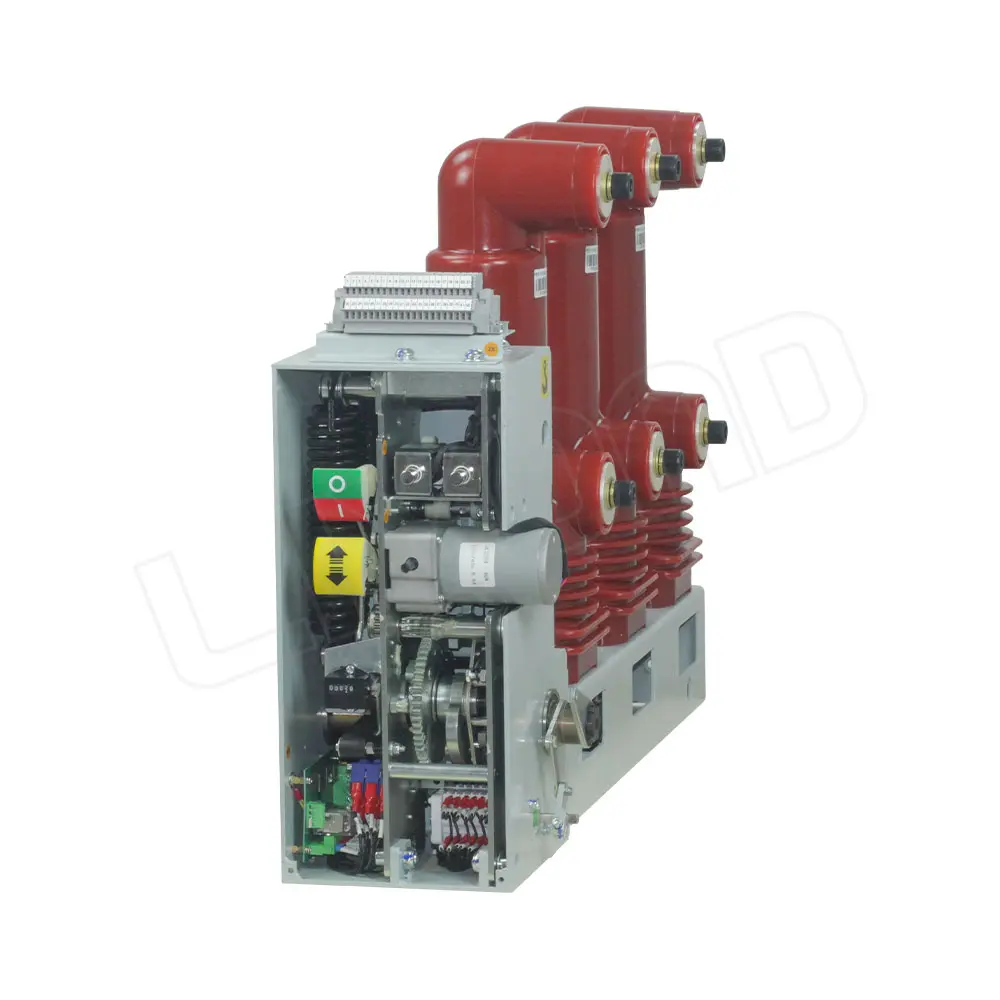
Introduction to Vacuum Circuit Breaker Components
A Vacuum Circuit Breaker is a highly reliable and efficient electrical device used to protect power systems from overloads and short circuits. The Vacuum Circuit Breaker operates by interrupting the current within a vacuum-sealed environment, which makes it fast, safe, and durable. Understanding the internal components of a Vacuum Circuit Breaker is crucial for industries and engineers to appreciate its performance and maintenance requirements. Each part of a Vacuum circuit breaker plays a vital role in ensuring smooth operation, rapid arc extinction, and long-term reliability. The Vacuum Circuit Breaker is widely used in medium-voltage applications and provides excellent protection for industrial, commercial, and utility systems. From the vacuum interrupter to the operating mechanism, every component in a Vacuum Circuit Breaker is designed to optimize efficiency and safety. With minimal maintenance and long operational life, the Vacuum Circuit Breaker has become an essential component of modern electrical networks. The Vacuum Circuit Breaker ensures system stability while reducing downtime and operational costs.
Vacuum Interrupter
The Vacuum Interrupter is the heart of a Vacuum Circuit Breaker. It contains the moving and fixed contacts enclosed in a vacuum-sealed chamber. When the breaker opens during a fault, an arc forms between the contacts. However, the vacuum environment quickly extinguishes the arc, preventing damage to the system. The Vacuum Circuit Breaker relies on this component for rapid current interruption and long-term durability. The vacuum interrupter also ensures minimal wear on contacts, allowing thousands of operations without significant performance loss.
Design and Function
The vacuum interrupter in a Vacuum Circuit Breaker is made of high-quality materials like copper and chromium alloys for enhanced conductivity and resistance to erosion. It maintains a perfect vacuum to ensure efficient arc extinction, which is a key reason industries prefer Vacuum Circuit Breaker technology.
Operating Mechanism
The Operating Mechanism is responsible for moving the contacts of a Vacuum Circuit Breaker to open or close the circuit. It can be spring-operated, motor-operated, or electromagnetic. This mechanism ensures precise and rapid movement, which is essential for interrupting fault currents.
Types of Operating Mechanisms
- Spring Mechanism: Commonly used for fast and reliable operation, storing energy mechanically to operate the Vacuum Circuit Breaker.
- Motor-Operated Mechanism: Allows remote operation and control, suitable for automated systems.
- Electromagnetic Mechanism: Provides instant operation in protective relays and critical industrial setups.
Contacts
The contacts of a Vacuum Circuit Breaker are designed to handle high currents and withstand arcing. They are typically made of copper-chromium alloys to resist erosion and maintain excellent conductivity. The moving and fixed contacts work together to make or break the circuit efficiently. Proper design of contacts ensures the Vacuum Circuit Breaker operates reliably over thousands of switching cycles.
Contact Maintenance
Although the Vacuum Circuit Breaker requires minimal maintenance, periodic inspection of contacts ensures optimal performance. Industries prefer the Vacuum Circuit Breaker because its contacts experience very little wear, reducing downtime and maintenance costs.
Arc Shield
The Arc Shield in a Vacuum Circuit Breaker protects the vacuum interrupter from metal vapor and debris generated during the arc. This component ensures the longevity of the interrupter and maintains consistent arc extinction performance. The arc shield is a critical element that supports the durability and reliability of a Vacuum Circuit Breaker in demanding industrial environments.
Insulating Housing
The insulating housing provides mechanical support and electrical insulation for the internal components of a Vacuum Circuit Breaker. It ensures the vacuum chamber remains sealed and protects personnel from accidental contact with live parts. The housing is made from high-strength, durable materials to withstand harsh environmental conditions.
Environmental Protection
The Vacuum Circuit Breaker’s insulating housing makes it suitable for outdoor and industrial installations. Its robust design prevents contamination and maintains safe operation under extreme conditions.
Operating Spring and Latch System
The operating spring stores energy to open or close the contacts of a Vacuum Circuit Breaker quickly. The latch system holds the spring in a charged state until the breaker is actuated. This combination ensures the Vacuum Circuit Breaker can interrupt fault currents instantaneously, which is vital for system protection.
Control and Auxiliary Components
In addition to the main components, a Vacuum Circuit Breaker includes control and auxiliary devices such as trip coils, closing coils, and position indicators. These components allow the Vacuum Circuit Breaker to integrate with protective relays, SCADA systems, and automation setups. Industries rely on these features to ensure efficient monitoring and control of power systems.
Why Choose Us for Vacuum Circuit Breaker Solutions
Our company specializes in manufacturing high-performance Vacuum Circuit Breakers designed to meet industrial and commercial needs. With over a decade of expertise, we provide reliable, durable, and technologically advanced Vacuum Circuit Breaker solutions. Each Vacuum Circuit Breaker is built using premium materials, precision engineering, and strict quality standards. We offer comprehensive support, including installation guidance, technical assistance, and maintenance services, ensuring your Vacuum Circuit Breaker operates efficiently throughout its life. Choosing us guarantees access to the latest Vacuum Circuit Breaker technology backed by experience and trust.
Frequently Asked Questions (FAQs)
1. What is the main component of a Vacuum Circuit Breaker?
The vacuum interrupter is the main component of a Vacuum Circuit Breaker, responsible for extinguishing arcs during current interruption.
2. How long do Vacuum Circuit Breaker contacts last?
Contacts in a Vacuum Circuit Breaker can last for thousands of operations due to minimal erosion in the vacuum environment.
3. What materials are used in Vacuum Circuit Breaker contacts?
Contacts are typically made from copper-chromium alloys to provide high conductivity and resistance to wear.
4. Can Vacuum Circuit Breakers be used outdoors?
Yes, the robust insulating housing of a Vacuum Circuit Breaker allows it to operate reliably in outdoor and industrial environments.
5. What auxiliary components are included in a Vacuum Circuit Breaker?
Auxiliary components include trip coils, closing coils, and position indicators to integrate the Vacuum Circuit Breaker with automation and control systems.
Conclusion
Understanding the key components inside a Vacuum Circuit Breaker is essential for appreciating its efficiency, reliability, and long service life. Each part, from the vacuum interrupter to the operating mechanism and auxiliary devices, contributes to the superior performance of the Vacuum Circuit Breaker. Industries prefer Vacuum Circuit Breaker technology due to its durability, minimal maintenance, and safe operation, making it an indispensable element in modern electrical power systems.