Understanding the Role of an Elderly Care Maid
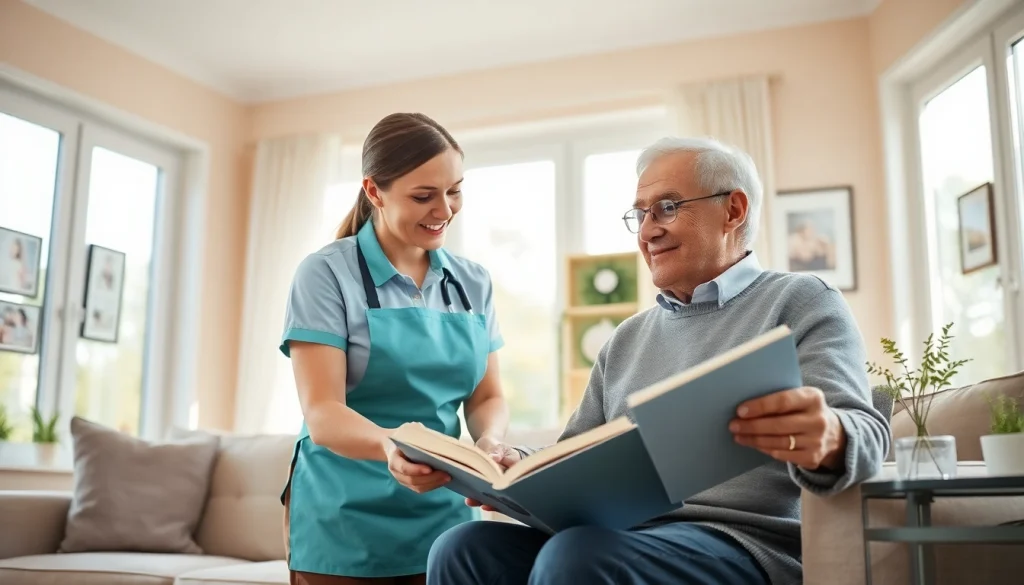
The role of an elderly care maid is essential in the lives of many seniors. As society’s population ages, the demand for specialized care has seen a significant rise. Elderly care maids not only assist with daily living activities but also bring a sense of companionship and support, helping seniors maintain a good quality of life in the comfort of their homes. This article delves into the multifaceted responsibilities of an elderly care maid, the skills required for effective care, and the importance of compassion in this vital role.
Defining Responsibilities of an Elderly Care Maid
An elderly care maid’s primary functions encompass a broad range of tasks aimed at supporting seniors in their daily living. These responsibilities can vary greatly depending on each individual’s needs. Common duties include:
- Personal Care: Assisting with bathing, grooming, and dressing.
- Household Management: Performing light housekeeping tasks such as laundry, cleaning, and meal preparation.
- Mobility Assistance: Helping seniors move around safely, either in the home or outside, which may include the use of mobility aids.
- Companionship: Providing social interaction and companionship to combat loneliness, which can significantly affect mental health.
- Medication Management: Ensuring medications are taken as prescribed and organizing dosages to prevent confusion.
Each of these tasks plays a vital role in the health and well-being of the individual receiving care. By handling daily routines and tasks, elderly care maids allow their clients to maintain a sense of independence and dignity.
Key Skills Essential for Effective Care
Effective elderly care demands a unique combination of skills and personal attributes, which can determine the quality of care provided. Some key skills include:
- Communication Skills: Clear and compassionate communication is crucial. An elderly care maid must engage not only with the senior but also with family members to ensure everyone is informed and comfortable.
- Empathy: Demonstrating understanding and sympathy is essential in addressing the emotional and psychological needs of seniors.
- Patience: Elderly individuals may require more time for tasks or have specific routines; a patient caregiver can adapt and provide appropriate support without frustration.
- Adaptability: Flexibility is vital. Needs may change quickly, and being able to respond appropriately is critical for providing effective care.
- Organizational Skills: Managing schedules, medications, and daily tasks requires strong organizational capabilities to ensure nothing is overlooked.
Mastering these skills enables elderly care maids to provide high-quality care that meets the evolving needs of their clients.
The Importance of Compassion in Elderly Care
Compassion is at the heart of providing elderly care. It goes beyond performing tasks to foster a deeper emotional connection that can significantly enhance a senior’s quality of life. Compassionate care includes:
- Building Trust: Seniors are more likely to respond positively to caregivers who show genuine concern for their well-being.
- Recognizing Emotional Needs: Understanding the often-complex emotional landscape of aging, including feelings of loss, fear, or frustration, is essential for effective support.
- Encouraging Independence: A compassionate approach can empower seniors to feel valued and respected, encouraging them to engage in their own care and routines when possible.
Ultimately, compassion fosters a nurturing environment where seniors feel understood and cared for, which enhances their emotional and mental well-being.
Benefits of Hiring an Elderly Care Maid
Hiring an elderly care maid can bring numerous benefits not only to seniors but also to their families. Engaging the services of a qualified maid can transform the daily lives of elderly individuals, making sure they receive the assistance they require while empowering them to live comfortably at home.
Improved Daily Living Activities for Seniors
Daily living activities can become increasingly challenging for seniors due to various factors, including declining mobility, cognitive challenges, or health issues. Having an elderly care maid provides important support with:
- Meal Preparation: A maid can assist with cooking nutritious meals tailored to dietary restrictions, ensuring seniors have access to healthy food.
- Household Tasks: Light cleaning, laundry, and organization can be managed effectively, reducing stress for seniors.
- Personal Hygiene: Assistance with bathing and grooming ensures seniors maintain personal hygiene, contributing to overall health.
By enabling seniors to receive help with these daily tasks, elderly care maids ensure that individuals remain safe and comfortable in their own homes.
Emotional Support and Companionship
The importance of emotional well-being cannot be overstated, especially for seniors who may experience loneliness or depression. An elderly care maid offers:
- Active Listening: Providing companionship means being there to listen when seniors wish to talk, helping them feel heard and valued.
- Engagement in Activities: Maids can encourage participation in hobbies and interests, whether it’s gardening, puzzles, or social games, fostering mental stimulation.
- Outings: Accompanying seniors for outings or appointments can help break the monotony of home-bound life.
This emotional support often leads to improved overall mental health, boosted morale, and a stronger sense of community.
Assistance with Medication Management
Correctly managing medications is a critical aspect of elderly care, as many seniors have complex medication regimens. An elderly care maid can help with:
- Organizing Medications: Keeping track of different medications and dosages ensures seniors are adhering to their prescriptions.
- Reminders for Medication: Providing timely reminders for taking medications can prevent missed doses and medication errors.
- Monitoring for Side Effects: Care maids can observe and report any adverse effects from medications, allowing for timely interventions from healthcare providers.
Effective medication management contributes significantly to better health outcomes among seniors.
Choosing the Right Elderly Care Maid
Selecting the right elderly care maid is crucial and requires careful consideration. The quality of care a senior receives depends significantly on the match between their needs and the maid’s qualifications and personality.
Questions to Ask When Hiring
When interviewing potential candidates, ask questions that delve into their experience and approach to care:
- What experience do you have in elderly care? Understanding their background helps gauge their suitability.
- How do you handle difficult situations or emergencies? Insight into problem-solving skills is critical.
- Can you provide references? Speaking with previous clients amplifies trust and confidence.
These inquiries will help ensure you find someone capable and compassionate in providing care.
Understanding Care Needs and Preferences
Every senior has unique needs and preferences, making it essential to assess these before hiring an elderly care maid. Consider:
- Medical Needs: Identify specific medical conditions and care requirements.
- Personality Fit: Finding someone who shares similar interests and can engage in meaningful conversations can enhance the relationship.
- Daily Routine: Understanding the senior’s established routines can lead to more harmonious caregiving.
This personalized approach ensures a better match that meets the senior’s specific needs.
Verification of Qualifications and Experience
It’s essential to verify the qualifications and experience of an elderly care maid. Consider the following steps:
- Background Checks: Ensuring safety through background checks provides peace of mind.
- Credentials: Verify any certifications relevant to elderly care, such as CPR or first aid training.
- Experience: Ask detailed questions about previous roles and references from past employers.
A thorough verification process maintains high standards of care and ensures that the elderly individual will be in capable hands.
Cost Considerations for Elderly Care Maid Services
Understanding the financial aspects of hiring an elderly care maid is pivotal for families looking for support. Various factors influence the cost of these services, indicating the importance of informed decision-making.
Analyzing Pricing Models for Home Care
The pricing structure for elderly care maids can vary based on several considerations:
- Hourly Rates: Many services charge by the hour, suitable for those needing flexible or occasional assistance.
- Fixed Salaries: Full-time caregivers may work for a fixed salary, often providing more intensive care but at a higher overall cost.
- Package Deals: Some agencies offer package deals that include multiple services or longer time commitments, which may reduce overall costs.
Understanding these models helps families budget effectively for care services.
Comparing Costs: Full-time vs. Part-time Care
When evaluating costs, families often weigh the benefits of full-time versus part-time care:
- Full-time Care: Provides continuous support and immediate assistance, ultimately offering peace of mind, but at a higher cost.
- Part-time Care: Ideal for families who can provide some support, with costs that are significantly lower, although may not be as comprehensive.
Analyzing individual circumstances and care needs will lead to a beneficial decision about the appropriate care model.
Understanding Insurance and Payment Options
Insurance coverage can help offset costs associated with hiring an elderly care maid. Consider:
- Medicare Coverage: Often does not cover in-home care, so understanding the extent of coverage is essential.
- Long-term Care Insurance: This type of insurance can cover various in-home care costs, making it worth exploring.
- Self-Payment Options: For those without insurance coverage, assessing personal funds and savings is necessary.
Being well-informed about insurance can significantly influence financial planning for elderly care services.
Ensuring Quality and Satisfaction in Elderly Care Maid Services
Once an elderly care maid is hired, ensuring quality and satisfaction requires ongoing assessment and communication between all parties involved.
Monitoring Caregiver Performance and Satisfaction
Regular assessment of caregiver performance can be beneficial for maintaining high standards. This can include:
- Weekly Check-ins: Regular meetings to discuss any concerns or improvements that need to be made.
- Quality of Care Surveys: Implementing feedback mechanisms for seniors and families to provide input on the caregiving experience.
- Observation: Family members should feel empowered to observe interactions and the overall caregiving environment.
These measures ensure that caregivers remain accountable for delivering quality service.
Building a Positive Relationship with Your Maid
A positive relationship between the elderly care maid and the senior is foundational for effective care. This can be fostered by:
- Open Communication: Establishing channels for sharing feelings and addressing concerns can prevent misunderstandings.
- Respecting Personal Space: Understanding boundaries and individual routines is crucial for maintaining comfort.
- Engaging in Shared Activities: Involving caregivers in meaningful activities can help build rapport and a sense of family.
Investing in these intangible aspects of care leads to improved satisfaction and better outcomes overall.
Feedback Mechanisms for Continuous Improvement
Establishing robust feedback mechanisms can pave the way for continuous improvement in services. Consider these methods:
- Regular Surveys: Develop surveys to gather insights on the caregiving experience from both seniors and their families.
- Open Door Policy: Foster an environment where feedback is welcomed and encouraged, allowing caregivers to discuss any challenges openly.
- Training and Development: Offer ongoing training opportunities for caregivers based on feedback received, ensuring they are equipped to meet changing needs.
Such initiatives support not only the quality of care but also the professional growth of the elderly care maids themselves.