
Understanding the Sleep Ring Tracker
What is a Sleep Ring Tracker?
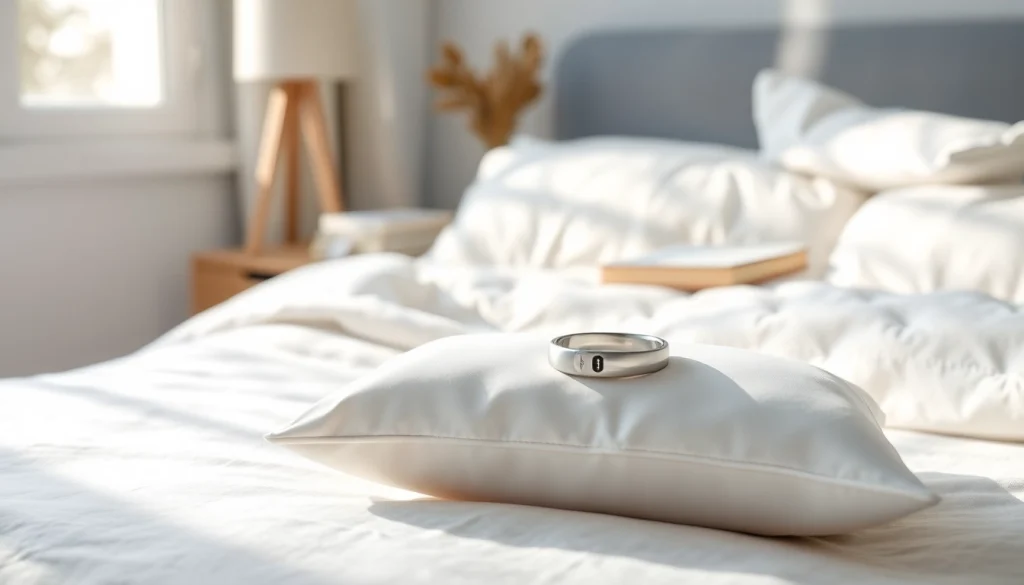
A sleep ring tracker is a cutting-edge device designed to monitor and analyze your sleep patterns continuously. Unlike traditional sleep aids, this innovative technology is typically worn on your finger, resembling a simple ring, yet encompasses advanced sensors that gather a wealth of information about your sleep habits. These devices specifically track various metrics such as heart rate, body temperature, and movement, compiling them to give you insights into your overall sleep quality. With an intuitive user interface, many models connect seamlessly with mobile applications, allowing you to access and interpret your sleep data easily. Improving sleep hygiene can be achieved with a helpful tool like the sleep ring tracker.
How Does It Work?
The functionality of a sleep ring tracker revolves around the integration of various sensors and data analytics. When worn, the ring continuously assesses biometric data, including:
- Heart Rate: Monitoring heart rate variability can provide insights into your stress levels and overall health.
- Body Temperature: Fluctuations in body temperature during sleep can indicate sleep quality.
- Movement: Analyzing movements during sleep helps to categorize sleep stages, such as REM and deep sleep.
This data is then processed through sophisticated algorithms that interpret the metrics, translating them into an understandable format. Most modern sleep ring trackers also incorporate artificial intelligence, enhancing their ability to detect patterns and anomalies. The result is a comprehensive view of your nightly rest, which can help in identifying areas for improvement.
Key Features to Consider
When selecting a sleep ring tracker, paying attention to specific features can significantly influence your experience. Key features to consider include:
- Battery Life: Ideally, the battery should last multiple nights without needing a charge to ensure uninterrupted tracking.
- Data Accuracy: Look for models known for their reliable data collection to ensure you are getting usable insights.
- Mobile Compatibility: The ability to sync with a smartphone app can enhance user experience and data accessibility.
- Durability: Given that it will be worn during sleep, the device should be waterproof and made of skin-friendly materials.
- Design: Comfort is crucial, so choose a sleek, light design that you can wear comfortably throughout the night.
The Importance of Sleep Tracking
Why Sleep Quality Matters
Understanding the significance of sleep quality is essential in today’s fast-paced world. Poor sleep can lead to various health issues, including cognitive decline, weakened immune responses, and increased risk of chronic diseases. Additionally, insufficient rest may impair mood, motivation, and overall productivity. By closely monitoring your sleep patterns with a sleep ring tracker, you can become more conscious of how many restorative hours you get each night and how they affect your daily life.
Common Sleep Issues Tracked
Several common sleep issues can be effectively monitored with a sleep ring tracker, including:
- Insomnia: Difficulty falling or staying asleep can be identified through lack of restful sleep stages.
- Sleep Apnea: Periods of disrupted breathing during sleep may lead to awakenings that are often difficult to recall.
- Restless Legs Syndrome: Frequent movements while attempting to sleep can be monitored to assess their impact on sleep quality.
- Sleep Disorders: Patterns of sleep disturbances can help identify underlying sleep disorders that may require professional attention.
Benefits of Gaining Insights
Tracking and gaining insights into your sleep using a sleep ring tracker presents numerous benefits, including:
- Enhanced Awareness: By understanding your sleep habits, you can make informed adjustments to your routine.
- Improved Sleep Environment: Insights can help identify factors influencing sleep quality, such as room temperature and noise levels.
- Proactive Health Management: Detecting irregular sleep patterns early can lead to timely interventions and consultations with healthcare professionals.
- Personalized Recommendations: Some trackers provide tips tailored to your specific sleep patterns to help enhance your quality of rest.
Choosing the Right Sleep Ring Tracker
Factors to Consider in Selection
Choosing the right sleep ring tracker requires careful consideration of several factors beyond features. Here are some essential points to evaluate:
- Budget: Determine how much you are willing to invest; trackers come at varying price points based on functionality and brand.
- User Interface: Ensure that both the tracking device and its associated app are user-friendly to maximize engagement.
- Community Support: An active community or customer service can be invaluable for troubleshooting or optimizing your use of the device.
- Warranty and Return Policy: Assess the product warranty and return policy to secure your investment should the device not meet your expectations.
Reputable Brands and Models
While there are many reputable brands in the market, it is crucial to research each model’s specific capabilities for sleep tracking. Look for those with proven track records of data accuracy, customer satisfaction, and durable design. Customers often gravitate toward brands with established reputations, so reading reviews can significantly help in making an informed decision.
Customer Reviews and Experiences
Customer feedback plays a vital role in assessing sleep ring trackers. Reviews can provide insights into both the pros and cons of different models. Potential buyers should look for comments on data accuracy, comfort, ease of use, and customer support experiences. Additionally, case studies or testimonials highlighting significant lifestyle changes due to effective sleep tracking can provide the motivation needed to invest in such a device.
Using Your Sleep Ring Tracker Effectively
Setting Up Your Device
To optimize the use of your sleep ring tracker, proper setup is essential. Begin by thoroughly reading the user manual to understand the features and settings specific to your model. Typically, you’ll want to:
- Charge the device fully: Ensure that the battery is fully charged before commencing its use.
- Sync with your smartphone: Download the corresponding app and manage settings to personalize your tracking experience.
- Wear it consistently: Make it a habit to wear the ring every night for the best data collection.
Interpreting the Data Collected
Understanding the data collected by your sleep ring tracker is vital for making informed decisions about your sleep health. Most devices will categorize data into various stages, such as:
- Light Sleep: The initial rest stage where the body begins to relax.
- Deep Sleep: The restorative stage critical for physical recovery and memory consolidation.
- REM Sleep: Important for emotional regulation and cognitive processing.
Familiarize yourself with these categories and their importance. Many apps will provide visual representations of your sleep cycles, enabling easier comprehension of your overall sleep quality over days and weeks.
Making Adjustments to Improve Sleep
Once you have insight into your sleep patterns, it’s crucial to implement adjustments that promote better sleep quality. Here are some strategies to consider:
- Establish a Sleep Routine: Aim for consistency in your sleeping times to stabilize your body’s internal clock.
- Optimize Your Sleep Environment: Ensure a dark, cool, and quiet bedroom; consider using blackout curtains or white noise if necessary.
- Limit Screen Time: Reduce exposure to screens at least an hour before bedtime to enhance melatonin production.
- Practice Relaxation Techniques: Engage in calming activities such as meditation or reading before sleep.
Future Innovations in Sleep Tracking Technology
Advancements to Look Out For
As technology continues to evolve, the future of sleep tracking holds exciting possibilities. Anticipated innovations may include:
- Improved Sensor Technology: Enhanced sensors capable of providing even more precise data about various health metrics that influence sleep.
- Machine Learning Capabilities: More sophisticated algorithms that can interpret complex sleep data to offer personalized recommendations.
- Increased Integration: Connectivity with other health devices, enabling comprehensive health profiles that encompass both physical activity and sleep metrics.
Integration with Other Health Tech
The merging of sleep tracking technology with other health tech offers a holistic approach to health monitoring. Future systems may integrate data from wearable fitness trackers, smartwatches, and even medical devices, enabling a deeper understanding of how different health factors interact. This integration will provide users with a more comprehensive health view, opening new avenues for personalized wellness strategies.
Trends in Sleep Research
Emerging research in sleep science suggests that sleep tracking technologies will continue to contribute significantly to understanding sleep’s role in overall health. Studies focusing on:
- Nutritional Impacts: How dietary choices affect sleep quality.
- Environmental Factors: The influence of various environmental stimuli on sleep.
- Sleep’s Impact on Mental Health: Investigating the bidirectional relationship between sleep and mental well-being.
Such research will promote advancements in sleep technology and allow manufacturers to create devices better tailored to users’ needs.