
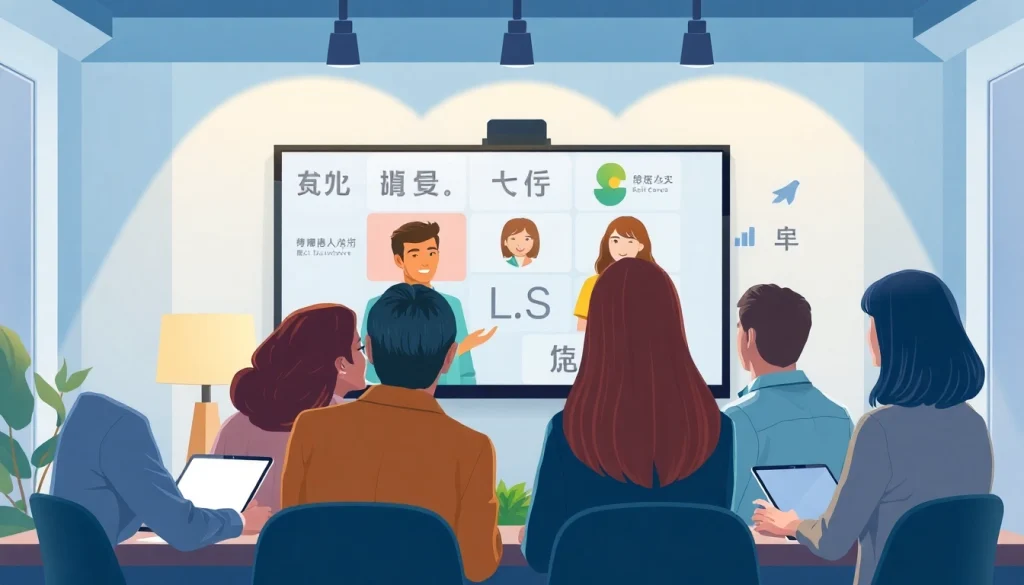
Understanding On-Demand Interpretation
As globalization continues to connect individuals and businesses across different cultures and languages, the demand for effective communication has never been more critical. On-demand interpretation has emerged as a vital service that enables real-time communication through professional interpreters, bridging linguistic barriers instantaneously. This innovative service model allows organizations to provide customer support, healthcare services, and legal assistance efficiently and accurately, enhancing user experience and operational efficiency.
What is On-Demand Interpretation?
On-demand interpretation refers to the provision of interpretation services as needed, allowing individuals and organizations to access interpreters through telephone or video calls instantly. This service typically supports multiple languages, making it an indispensable tool for businesses operating in multilingual environments. Unlike traditional interpreting methods, which often require pre-scheduled appointments, on-demand interpretation connects users with qualified interpreters within moments, regardless of their geographical location.
Benefits of Real-Time Interpretation Services
The advantages of on-demand interpretation are numerous and impactful:
- Accessibility: Available 24/7, on-demand services ensure that help is always within reach, which is particularly beneficial in sectors like healthcare, where timely communication can be critical.
- Cost-Effectiveness: Businesses save on expenses associated with maintaining on-site interpreters or scheduling lengthy appointments, paying only for the services they use.
- Flexibility: Services can be tailored to specific needs, accommodating various languages and dialects according to the context and audience.
- Improved Customer Experience: Faster communication with customers fosters better relations, potentially leading to increased sales and customer loyalty.
Key Technologies Behind On-Demand Interpretation
Several technological advancements have revolutionized the field of interpretation:
- Cloud-Based Platforms: These platforms facilitate seamless connections between interpreters and clients, allowing users to access services from any device with internet connectivity.
- Mobile Applications: Apps designed for on-demand interpretation provide instant access, enabling businesses to integrate interpreting services directly into their customer interactions.
- Artificial Intelligence: AI is increasingly being utilized to improve service efficiency and quality, helping to match users with the most appropriate interpreter based on language preference and subject matter expertise.
Challenges in On-Demand Interpretation
While the benefits of on-demand interpretation are clear, several challenges persist that require careful consideration:
Common Misconceptions About On-Demand Services
Many organizations believe that on-demand interpretation is synonymous with lower quality services. In reality, reputable providers ensure high standards by employing skilled interpreters with specialized training in various fields. Additionally, some might think on-demand services are only for emergencies, while they can also be integrated into regular business operations for ongoing multilingual communication.
Overcoming Technical Barriers
Ensuring stable internet connectivity is essential for high-quality on-demand interpretation. Organizations must invest in reliable technology and infrastructure to minimize disruptions during critical communication moments. Moreover, they should consider compatibility with devices and platforms to facilitate smooth interactions.
Ensuring Quality and Accuracy
Quality assurance is crucial in interpretation services. Providing interpreters with context about conversations and training in industry-specific terminology can enhance accuracy. Regular feedback from clients can be vital in assessing the performance of interpreters and refining the services offered.
Implementing On-Demand Interpretation Services
For organizations looking to implement on-demand interpretation, following established best practices can ensure effective integration into existing operations.
Best Practices for Businesses
- Assess Needs: Understand the specific requirements of your organization and customer base to select the right interpretation services.
- Choose Quality Providers: Partner with reputable service providers that have a track record of delivering high-quality interpretation services and customer support.
- Train Staff: Equip your team with the necessary knowledge about how to utilize on-demand interpretation services effectively.
Choosing the Right Service Provider
When selecting a provider for on-demand interpretation, consider factors such as language offerings, technology used, customer service, and the availability of interpreters. Researching reviews and conducting interviews with potential providers can also aid in making an informed decision.
Integrating Interpretation into Existing Systems
Successful integration requires an understanding of how interpretation services will fit into your current workflows. By analyzing existing processes, businesses can identify areas where on-demand interpretation can enhance communication, particularly in customer service, healthcare, and legal consultations.
Future Trends in On-Demand Interpretation
As the landscape of global communication evolves, several trends are shaping the future of on-demand interpretation:
Emerging Technologies Shaping Interpretation
- Machine Learning: Utilizing machine learning algorithms can enhance interpreter matching, ensuring users are connected to experts tailored to their specific needs.
- Enhanced Video Services: The rise of video remote interpreting (VRI) provides users with face-to-face interaction, crucial for contexts where non-verbal cues are significant, such as in healthcare settings.
- Integration with Virtual Reality: Immersive technologies may offer new avenues for interpretation in specialized fields, such as medical training and international events.
Predictions for the Industry in 2025
By 2025, on-demand interpretation is expected to expand significantly, driven by the increasing need for inclusive communication in a globalized world. It is likely that more organizations will embrace these services as standard practice, leading to enhanced customer engagement and satisfaction.
Real-World Applications and Case Studies
Real-world applications of on-demand interpretation highlight its effectiveness across various sectors:
- Healthcare: Hospitals utilizing on-demand services have reported improved patient outcomes due to timely communication with non-English speaking patients.
- Legal: Law firms have leveraged on-demand interpretation for court appearances and client consultations, ensuring fair representation for all parties.
- Travel and Hospitality: Companies in the tourism sector offer on-demand interpretation for travelers, enhancing their experience and easing the navigation of foreign environments.
Measuring Success in Interpretation Services
Measuring the effectiveness of on-demand interpretation services is essential for continuous improvement and maximizing return on investment.
Key Performance Indicators for On-Demand Services
- Response Time: The speed at which a user is connected to an interpreter can be indicative of service efficiency.
- Customer Satisfaction Ratings: Gathering feedback from users post-interaction can provide insights into the quality of interpretation services.
- Usage Metrics: Tracking how frequently services are utilized can help identify trends and areas for enhancement.
Feedback Mechanisms and Continuous Improvement
Establishing a feedback loop through surveys and regular check-ins with interpreters can foster a culture of continuous improvement. This proactive approach not only enhances service quality but also demonstrates a commitment to client satisfaction.
Evaluating Cost versus Value of Interpretation
Organizations must assess the cost of interpretation services against the value they deliver. This evaluation involves considering not only direct expenses but also the impact on customer satisfaction, operational efficiency, and ultimately, profitability.