
Comic Book Movies and TV Shows: What’s Next for Marvel, DC, and Beyond – Who Soared and Who Flopped
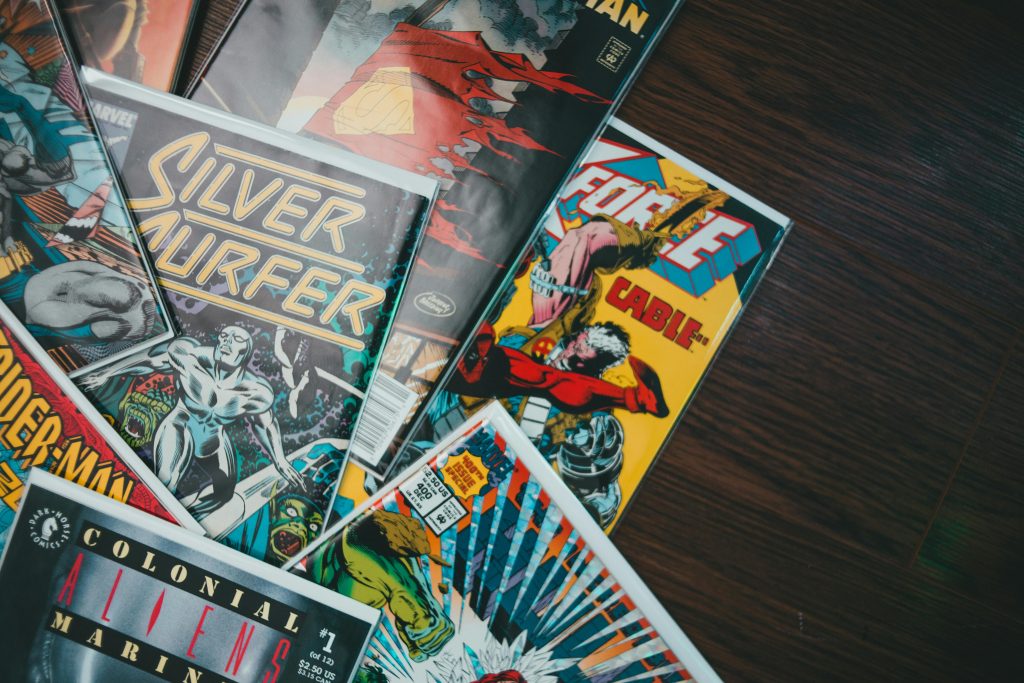
In the last two decades ,comic book movies and TV shows have transcended niche fandoms to become a dominant force in mainstream entertainment. From Marvel’s sprawling cinematic universe to DC’s darker, complex stories, these adaptations have shaped pop culture, introduced iconic heroes to new generations, and sparked heated debates among fans. But as 2025 unfolds, the question remains: which projects soared, which flopped, and what’s next for this ever-evolving genre?
The Rise of Comic Book Movies and TV Shows
Comic book adaptations have come a long way since the early 2000s. The success of films like Iron Man and The Dark Knight proved that superhero narratives could resonate with global audiences. Television series also evolved, from cult favorites like Arrow to high-budget hits like Daredevil and The Boys, elevating storytelling with serialized arcs and nuanced character development.
The key to this rise has been a combination of faithful adaptation and cinematic innovation. Studios learned that audiences crave both respect for source material and fresh, dynamic narratives that push the medium forward.
Marvel’s Meteoric Journey
The Hits: Marvel’s Unstoppable Force
Marvel Studios has long been synonymous with success in comic book movies and TV shows. The MCU’s latest phases, including Guardians of the Galaxy Vol. 3 and Loki Season 2, have continued to impress critics and fans alike.
- Innovative Storytelling: Marvel’s blend of humor, emotional depth, and interconnected storytelling keeps viewers invested across films and Disney+ series.
- Character Diversity: Introducing new heroes like Ms. Marvel and Moon Knight has expanded the universe and brought fresh perspectives.
- Box Office Dominance: Despite challenges, Marvel films consistently dominate global box office charts, solidifying their cultural impact.
Recent Stumbles: When Even Marvel Faces Challenges
Not every Marvel venture has been a hit. Projects like Ant-Man and the Wasp: Quantumania received mixed reviews for overcomplicating the multiverse narrative. While financial success remained, critics noted that some storylines struggled to balance humor, heart, and high-stakes drama.
These minor setbacks show that even the most successful studios must continually innovate to maintain audience interest.
DC’s Bold Moves and Risks
The Triumphs: DC’s Dark and Daring Vision
DC has carved a niche with darker, more complex narratives. Recent hits like Aquaman 2 and The Flash (2023) have demonstrated that the DC Extended Universe (DCEU) can compete with Marvel when storytelling is coherent and character-driven.
- Epic Visuals: DC films often excel in grand-scale world-building and visual spectacle.
- Character Depth: Movies focusing on Batman, Wonder Woman, and Shazam have allowed audiences to connect with heroes on a psychological level.
- TV Success: Series like Peacemaker and Gotham Knights showcase DC’s ability to expand narratives beyond the silver screen.
The Misses: Flops That Raised Eyebrows
Despite successes, some DC projects have struggled. Blue Beetle and Batgirl faced criticism for weak scripts and inconsistent tone, impacting box office performance. These failures underscore the challenge of balancing cinematic ambition with audience expectations.
Beyond Marvel and DC: Emerging Contenders
While Marvel and DC dominate, other studios and independent creators are making waves.
- The Boys Universe: Amazon’s The Boys has redefined superhero storytelling with a darkly comedic and brutally honest lens on heroism.
- Sony’s Spider-Verse Expansion: Films like Kraven the Hunter and animated spin-offs show that non-MCU properties still hold massive appeal.
- Netflix Originals: Series like Jupiter’s Legacy and Umbrella Academy bring fresh perspectives and experimental storytelling to comic book adaptations.
These projects prove that there is still room for innovation, experimentation, and diverse narratives in the comic book movies and TV shows landscape.
Trends Shaping the Future
Streaming and Serialized Storytelling
The rise of streaming platforms has transformed comic book content. Audiences now expect serialized storytelling with intricate arcs, character development, and long-term payoffs. This model allows creators to explore darker, more complex stories than traditional theatrical releases.
Multiverse Mania
The concept of multiverses has become a double-edged sword. While it offers creative freedom and crossovers, it also risks overwhelming casual viewers. Studios must balance fan service with coherent, engaging narratives.
Inclusive and Diverse Heroes
Representation matters more than ever. Fans are increasingly drawn to stories featuring diverse heroes, complex villains, and morally grey narratives. Studios that embrace this trend will likely capture new audiences and critical acclaim.
Lessons Learned: Soaring High vs. Falling Flat
- Strong World-Building Matters: Films and shows that meticulously craft their universes tend to resonate longer with audiences.
- Character Connection is Key: Audiences invest in heroes and villains they understand and relate to, beyond just action sequences.
- Risk vs. Reward: Bold storytelling can lead to massive hits or flops. Studios that learn from mistakes and innovate carefully tend to thrive.
What’s Next for Comic Book Movies and TV Shows
Looking ahead, fans can expect:
- Expanded Universes: More crossover events, multiverse storylines, and interconnected TV series that complement film narratives.
- Experimental Formats: Interactive storytelling, limited series, and animated adaptations will become more mainstream.
- Global Storytelling: Studios are tapping into international comic book cultures, bringing new heroes and settings to global audiences.
The next few years are poised to redefine what comic book movies and TV shows can achieve, blending cinematic spectacle with character-driven storytelling and inclusive narratives.
Conclusion
Comic book movies and TV shows have evolved from niche entertainment to cultural cornerstones, captivating audiences worldwide. Marvel continues to innovate with interconnected, humor-infused narratives, while DC explores darker, complex universes. Emerging players like The Boys and Sony’s Spider-Verse expansions prove there is still untapped potential in the genre.
For fans and creators alike, the future promises bold storytelling, diverse heroes, and cinematic experiences that push boundaries. Whether a project soars or flops depends on the delicate balance of narrative coherence, visual spectacle, and emotional resonance. As 2025 unfolds, one thing is certain: comic book movies and TV shows are far from slowing down, and the next era of heroes is just around the corner.