
The Best Time to Go on a Kenya Tanzania Safari
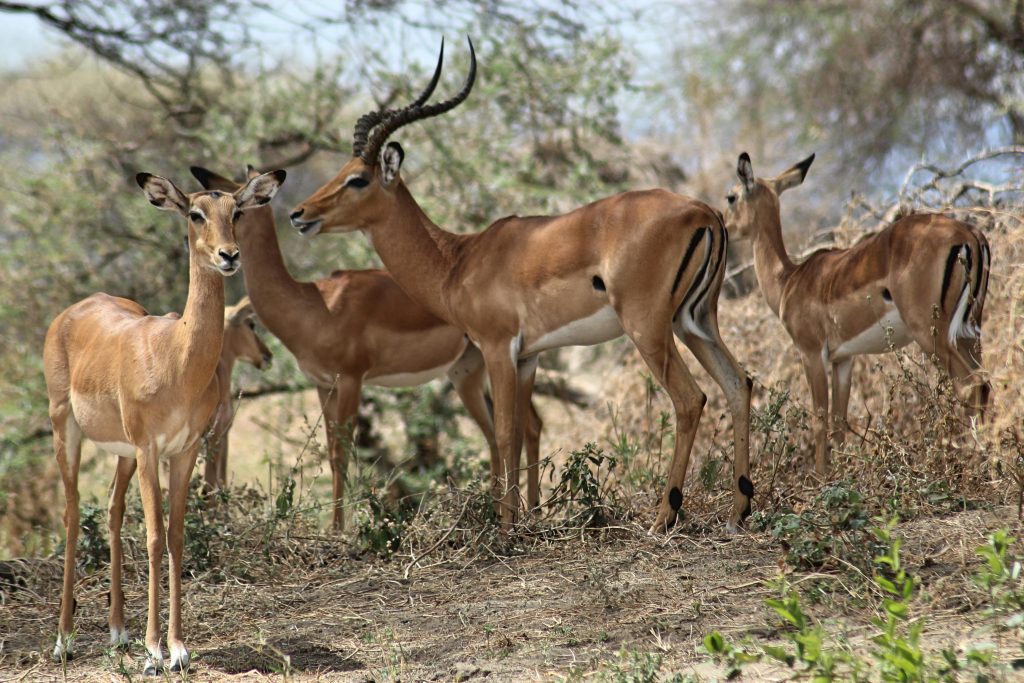
A Kenya Tanzania safari is one of the most unforgettable experiences a traveler can have. Both Kenya and Tanzania are home to some of Africa’s most iconic wildlife, stunning landscapes, and rich cultural experiences. Planning the perfect time to visit is crucial for maximizing your safari experience. Understanding the seasons, wildlife patterns, and weather conditions can help you decide when to embark on your dream adventure.
Understanding the Seasons in Kenya and Tanzania
Kenya and Tanzania have two main seasons: the dry season and the wet season. The dry season, which occurs from June to October, is considered the best time for a Kenya Tanzania safari. During this period, animals gather around water sources, making wildlife sightings much easier. The weather is generally sunny, and the chances of rain are minimal, providing ideal conditions for photography and game drives.
On the other hand, the wet season usually occurs from March to May and November to December. While travel during this time can be more challenging due to muddy roads and occasional heavy rain, the wet season also offers unique experiences. The landscapes are lush and green, bird watching is excellent, and the parks are less crowded, giving you a more private Kenya Tanzania safari adventure.
Wildlife Migration and Viewing Opportunities
One of the highlights of a Kenya Tanzania safari is witnessing the Great Migration. Millions of wildebeest, zebras, and gazelles move across the Serengeti in Tanzania and the Maasai Mara in Kenya. The timing of your safari can determine how much of this spectacular event you see.
- June to July: The migration begins to move from the Serengeti to the Maasai Mara, offering incredible river crossings and predator-prey interactions.
- August to October: The migration is at its peak in the Maasai Mara, providing some of the most dramatic wildlife scenes in Africa.
- December to March: The wildebeest give birth in the southern Serengeti plains, creating opportunities to witness the next generation of wildlife.
Choosing the right time based on wildlife activity ensures that your Kenya Tanzania safari is as thrilling and memorable as possible.
Weather Considerations for Your Safari
Weather plays a significant role in planning a Kenya Tanzania safari. During the dry season, temperatures can be warm during the day and cool at night, making early morning and late afternoon game drives comfortable. The dry conditions also make it easier to traverse the parks and visit multiple reserves without interruptions.
During the wet season, heavy rains can occasionally flood roads, limiting access to some parks. However, this is also the time when the landscape is vibrant, and the animal populations are easier to spot against the lush green backdrop. Traveling during this period offers a different, quieter experience compared to the busy dry months.
Cultural Experiences Alongside Safari
A Kenya Tanzania safari is not just about wildlife. Both countries offer rich cultural encounters with local communities. Visiting Maasai villages in Kenya or the Hadzabe people in Tanzania allows travelers to understand traditional ways of life and customs. Timing your safari can also coincide with cultural festivals and events, adding a unique dimension to your adventure.
For instance, some cultural events are more accessible during the dry season when travel is easier, while others might coincide with the wet season. Regardless of the timing, including cultural experiences in your Kenya Tanzania safari will make your trip richer and more fulfilling.
Tips for Planning the Perfect Safari
- Book Early: Especially during the peak dry season, accommodations and safaris fill up quickly. Early booking ensures the best options.
- Pack Accordingly: Bring light clothing for the day, warm layers for mornings and evenings, and rain gear if traveling during the wet season.
- Consult a Guide: Local guides can provide expert knowledge on the best times and locations for wildlife viewing, ensuring your Kenya Tanzania safari is productive and safe.
- Plan for Photography: The dry season provides optimal lighting for photography, but the wet season offers vibrant scenery for unique shots.
Conclusion
Planning the best time to go on a Kenya Tanzania safari requires understanding the weather, wildlife patterns, and cultural opportunities of both countries. The dry season from June to October is ideal for wildlife viewing, especially the Great Migration, while the wet season offers lush landscapes, fewer crowds, and excellent birdwatching. By considering your interests and the experiences you want to prioritize, you can choose the perfect time to witness the beauty of Kenya and Tanzania. Whether you aim to capture dramatic river crossings, enjoy intimate cultural encounters, or explore vibrant green landscapes, a well-timed Kenya Tanzania safari will provide memories that last a lifetime.