
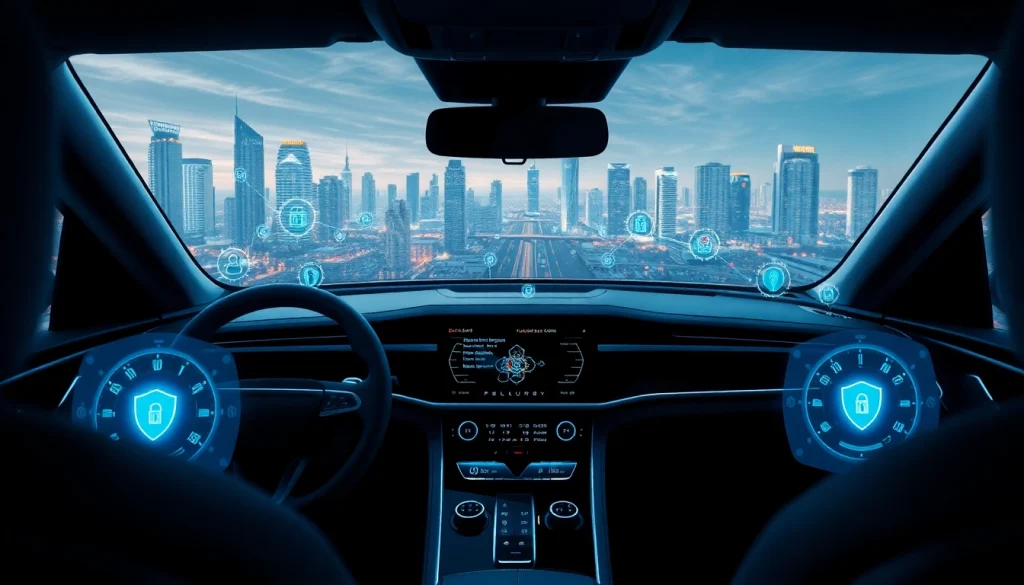
The Fundamentals of Car Hacking
Defining Car Hacking
Car hacking refers to unauthorized access and manipulation of a vehicle’s electronic systems through various techniques, often exploiting loopholes in the vehicle’s software architecture. Modern vehicles comprise numerous interconnected systems that facilitate functionalities such as navigation, entertainment, vehicle dynamics, and even driver assistance features. As such, the rise of smart technology in automobiles has made car hacking a pressing concern for manufacturers and drivers alike. An understanding of what constitutes car hacking is essential for both stakeholders and consumers to ensure the safety and security of vehicular operations. For deeper insights into these vulnerabilities, platforms like https://car-hack-world.com provide comprehensive information.
Common Car Hacking Techniques
Numerous techniques are employed by hackers to exploit vulnerabilities in car systems. Some of the most prevalent tactics include:
- Remote Exploits: Hackers utilize tools to send commands to the vehicle’s systems remotely, often through exposed communication protocols or over-the-air updates.
- Physical Access: Gaining physical entry to a vehicle may allow hackers to connect devices directly to onboard diagnostics (OBD-II) ports, compromising the vehicle’s security.
- Wi-Fi and Bluetooth Attacks: With in-car Wi-Fi networks and Bluetooth-enabled systems, hackers often attempt to exploit these wireless connections to gain unauthorized access.
- Malware Injections: Hackers can develop malware specifically designed to infiltrate a vehicle’s operating system, leading to manipulation of its functions.
Potential Risks and Consequences
The risks associated with car hacking are significant and may encompass a wide range of safety, financial, and legal consequences:
- Safety Hazards: Unauthorized access can compromise essential vehicle functions, posing serious risks to drivers and passengers.
- Data Breaches: Modern cars house vast amounts of personal data, and hackers can exploit this information for nefarious purposes, including identity theft.
- Financial Losses: Vehicle owners may incur costs related to theft, damages, or loss of trust when their vehicles are hacked.
- Regulatory Implications: Increasingly, governments are recognizing the cybersecurity risks associated with automotive systems, leading to potential regulatory repercussions for manufacturers.
Current Trends in Automotive Cybersecurity
Emerging Threats
The landscape of automotive cybersecurity is constantly evolving. Emerging threats include sophisticated hacking methodologies that exploit new technologies such as connectivity features and advanced driver assistance systems (ADAS). Hackers are adapting quickly to increase their success rates, prompting manufacturers to constantly update their defense mechanisms.
New Safety Technologies
To combat the growing threats, automakers are introducing advanced safety technologies designed to protect vehicles from hacking attempts. These innovations may include:
- Intrusion Detection Systems (IDS): These systems monitor network traffic for unusual activity, allowing for swift identification and mitigation of threats.
- End-to-End Encryption: By encrypting data transmissions between vehicle systems, manufacturers can limit the potential for interception by malicious actors.
- Regular Software Updates: Automakers are prioritizing regular software updates to ensure vehicles are inherently secure against newly discovered vulnerabilities.
Legislative and Regulatory Changes
As car hacking incidents escalate, legislative bodies around the world are beginning to establish frameworks to increase vehicle cybersecurity. These regulations aim to ensure that manufacturers maintain a minimum standard of cybersecurity while also protecting consumer data.
Protective Measures Against Car Hacking
Best Practices for Car Owners
Car owners play an integral role in safeguarding their vehicles against hacking attempts. Best practices include:
- Awareness: Staying informed about potential vulnerabilities and hacking incidents within their vehicle model can help owners take proactive measures.
- Secure Personal Information: Limiting the data shared with in-vehicle systems can help mitigate risks associated with data breaches.
- Physical Security: Implementing physical anti-theft measures can reduce the likelihood of unauthorized access through physical means.
Importance of Regular Software Updates
Updating the vehicle’s software is critical to cybersecurity. Just as smartphones and computers receive regular updates to patch vulnerabilities, vehicles need the same diligence. These updates often include security patches that can drastically reduce risks associated with known vulnerabilities.
Role of Manufacturers in Vehicle Security
Automakers are tasked with addressing vulnerabilities by designing vehicles with robust cybersecurity features. Manufacturers should prioritize:
- Development of Secure Architectures: Building vehicles with layered security measures ensures that even if one layer is compromised, others remain intact.
- Investment in Research: Actively researching and understanding emerging threats in the cybersecurity landscape empowers manufacturers to mitigate risks effectively.
- Collaboration with Cybersecurity Experts: Partnering with cybersecurity companies can lead to enhanced protection measures tailored to the automotive industry.
Real-World Examples of Car Hacking Incidents
High-Profile Cases
Several high-profile hacking incidents have brought attention to the vulnerabilities present in modern vehicles. For instance, researchers have successfully demonstrated remote control of vehicles, manipulating steering, brakes, and acceleration. These demonstrations serve as sobering reminders of the potential for malicious interference with automotive functionality.
Analyzing the Methods Used
Analyzing these hacking methods provides valuable insights into the importance of securing vehicle systems. Typically, hackers exploit flaws in software, use malware, or send unsolicited commands via wireless networks. Understanding these techniques allows manufacturers and consumers to develop more effective defenses against such attacks.
Implications for the Automotive Industry
The ramifications of car hacking incidents extend beyond individual vehicles; they can influence public perception of automotive safety. A single high-profile incident can erode consumer trust and lead to significant financial repercussions for manufacturers as they scramble to address security flaws. This cyclical effect emphasizes the necessity for a proactive approach to vehicle cybersecurity.
Future Outlook for Automotive Cybersecurity
Advancements in Technology and Defense
The future of automotive cybersecurity will likely be shaped by advancements in technology. These may include the integration of artificial intelligence to predict potential threats, as well as the use of blockchain for secure data transactions within vehicle systems.
Predicted Trends in Car Hacking
As technology evolves, so do the tactics employed by hackers. Expected trends may involve more sophisticated attacks that leverage artificial intelligence, making traditional defense mechanisms less effective. The automotive industry must remain vigilant, adapting to these changes in the threat landscape.
Preparing for the Unknown: Constant Vigilance Required
Ultimately, the future of automotive cybersecurity hinges on constant vigilance and adaptability. By fostering a culture of security awareness, manufacturers and consumers alike can mitigate the risks associated with car hacking, ensuring public safety and restoring faith in advanced automotive technologies.