
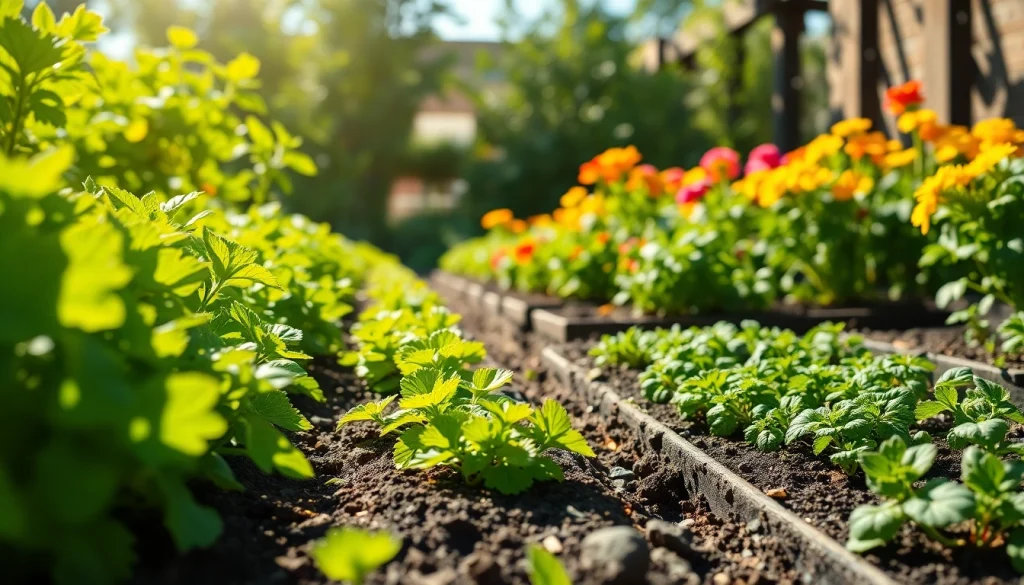
Understanding the Basics of Gardening
What is Gardening?
Gardening is the art and science of cultivating plants for food, aesthetics, and recreational enjoyment. It involves activities such as planting, tending, and nurturing plants in designated spaces, which can range from small pots on a balcony to vast plots of land. The primary goal is to ensure that plants thrive by providing them with optimal conditions. Whether it is growing vegetables, flowering plants, or decorative foliage, gardening can be incredibly rewarding.
The Benefits of Gardening
Engaging in Gardening offers numerous benefits that enrich both mental and physical well-being. Here are some key advantages:
- Physical Exercise: Gardening is a form of moderate physical activity that helps improve cardiovascular health and strengthens muscles.
- Mental Health Improvement: Spending time in nature and engaging in gardening can reduce stress levels, increase happiness, and promote mindfulness.
- Sustainable Food Production: Growing your own fruits and vegetables empowers you with knowledge about plant care and ensures access to fresh produce.
- Community Engagement: Gardening can foster community spirit through shared gardening projects, neighborhood garden initiatives, and local farmers’ markets.
Types of Gardening Techniques
Gardening techniques vary significantly based on the plants being grown and the objectives of the gardener. Here are some popular gardening techniques:
- Organic Gardening: This method focuses on growing plants without synthetic fertilizers or pesticides, promoting ecological balance and sustainability.
- Container Gardening: Ideal for those with limited space, this technique involves growing plants in pots or other containers.
- Vertical Gardening: Utilizing vertical space, this method allows gardeners to grow plants upwards, maximizing limited ground area.
- Hydroponics: This innovative approach involves growing plants in a nutrient-rich water solution without soil, making it possible to cultivate crops indoors or in urban settings.
Preparing Your Garden Space
Choosing the Right Location
Selecting an appropriate location is crucial for gardening success. Factors to consider include:
- Sunlight: Most plants require at least 6 to 8 hours of sunlight daily. Observe your space to identify areas that receive adequate light.
- Accessibility: Ensure your garden is easily accessible for watering, weeding, and maintenance.
- Protection from Elements: Shielding your garden from strong winds and harsh weather conditions creates a more conducive environment for growth.
Soil and Nutrient Requirements
The quality of soil plays a pivotal role in plant health. Understanding soil types and nutrient requirements can significantly impact your gardening endeavors:
- Soil Composition: Garden soil should be well-drained and rich in organic matter. Testing your soil can provide insights into pH levels and nutrient content.
- Nutrient Needs: Plants require specific nutrients, including nitrogen, phosphorus, and potassium. Incorporating compost can enhance soil fertility and support healthy plant growth.
Tools to Get Started with Gardening
Having the right tools can make gardening much easier and more enjoyable. Essential gardening tools include:
- Garden Trowel: This versatile hand tool is ideal for digging, planting, and transplanting.
- Pruning Shears: Essential for maintaining plant health, pruning shears help trim and shape plants.
- Watering Can or Hose: Proper hydration is vital for plants, making a good watering device indispensable.
- Gardening Gloves: Protect your hands from cuts, dirt, and pests while working in your garden.
Selecting Plants for Your Garden
Annual vs. Perennial Plants
When planning your garden, consider the differences between annual and perennial plants:
- Annual Plants: These plants complete their life cycle within one growing season and must be replanted each year. Examples include marigolds and tomatoes.
- Perennial Plants: Perennials live for multiple growing seasons, coming back year after year. Examples include peonies and hostas.
Native Plants for Local Gardens
Incorporating native plants into your garden can attract local wildlife and promote biodiversity. Native plants are well suited to the local climate and require less maintenance. Research native species in your region and consider their growth habits and requirements.
Vegetable Choices for Beginners
If you’re new to Gardening, starting a vegetable garden can be particularly rewarding. Some easy-to-grow vegetables include:
- Lettuce: Fast-growing and can be harvested multiple times.
- Radishes: Quick to mature and require minimal care.
- Tomatoes: Popular for home gardens, they thrive in warm conditions.
- Herbs: Basil, parsley, and cilantro are great choices and can be grown in small spaces or containers.
Maintaining Your Garden
Watering Techniques and Schedules
Proper watering is essential for healthy plants. Here are some best practices:
- Deep Watering: Watering deeply encourages roots to grow deeper into the soil, improving drought resistance.
- Timing: Water early in the morning or late in the evening to reduce evaporation and allow plants to absorb moisture effectively.
- Water Monitoring: Check soil moisture levels before watering to avoid overwatering, which can lead to root rot and other plant diseases.
Organic Pest Control Methods
Maintaining a healthy garden often involves managing pests. Here are some organic methods to control pest populations:
- Beneficial Insects: Encouraging natural predators like ladybugs and lacewings can help keep pest populations in check.
- Natural Sprays: Use neem oil or insecticidal soap as eco-friendly options for treating pest issues.
- Crop Rotation: Changing the location of your crops each year can disrupt pest life cycles and reduce infestations.
Harvesting Your Garden’s Bounty
Harvesting is the most rewarding part of gardening. Follow these tips for optimal harvesting:
- Timeliness: Harvest fruits and vegetables at their peak ripeness for the best flavor and nutritional value.
- Gentle Handling: Handle harvested produce carefully to avoid bruising and damage.
- Storage: Properly store harvested items to extend their shelf life—consider refrigeration or canning for preservation.
Advanced Gardening Strategies
Companion Planting Benefits
Companion planting involves strategically placing certain plants next to each other to benefit one another. Here are some advantages:
- Pest Control: Some plants can naturally repel pests when grown alongside vulnerable crops.
- Soil Improvement: Certain plants, like legumes, can enrich the soil by fixing nitrogen.
- Enhanced Growth: Companion plants can provide shade, support, or nutrients that boost the growth of neighboring plants.
Creating a Sustainable Garden
Adopting sustainable gardening practices enhances environmental health. Consider the following approaches:
- Composting: Create your own compost from kitchen scraps and yard waste to enrich garden soil naturally.
- Water Conservation: Implement rainwater harvesting systems or drip irrigation to use water more efficiently.
- Native Plant Use: Incorporate native plants that require less water and are more resilient to local pests.
Utilizing Vertical Gardening for Space
Vertical gardening offers creative solutions for space-challenged gardeners. Benefits include:
- Space Efficiency: Growing plants upwards rather than outwards can maximize limited space.
- Improved Airflow: Better airflow around plants can reduce disease incidence and promote healthier growth.
- Aesthetic Appeal: Vertical gardens can serve as beautiful focal points in any landscape, enhancing visual interest.