
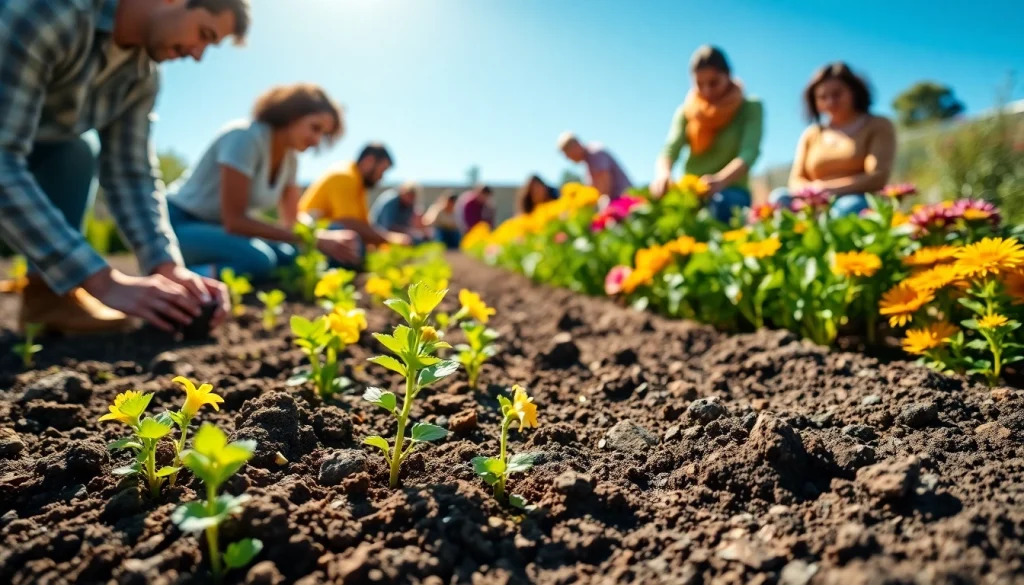
Understanding the Basics of Gardening
Gardening is not just a hobby; it’s a profound way to connect with nature, to cultivate food, beauty, and tranquility within our immediate environment. It encompasses various methods, levels of expertise, and a diversity of plants and gardening styles that can cater to anyone, from the beginner to the seasoned expert. By diving into the fundamental aspects of Gardening, we can equip ourselves with the knowledge necessary to foster growth, celebrate the beauty of nature, and even contribute to sustainable living. Explore more about Gardening as we dissect its core elements, from soil quality to the right tools for the job.
The Importance of Soil Quality in Gardening
Soil is the foundation for any garden. Understanding its composition and quality is crucial for successful plant growth. High-quality soil is rich in organic matter, has a balanced pH, and provides essential nutrients. Here are vital components that define soil quality:
- Texture: Soil texture affects water retention and drainage. Sandy soils drain quickly, while clay soils hold water, affecting plant health.
- pH Levels: Most plants thrive in neutral to slightly acidic soil (pH 6-7). Conducting a soil test can direct your amendments.
- Organic Matter: Incorporating compost increases nutrient availability and improves soil structure. It also encourages beneficial organisms.
To enhance soil quality, consider using cover crops, crop rotation, and organic amendments. Each of these methods supports the long-term fertility of your gardening space.
Selecting the Right Plants for Your Garden
Choosing the right plants is fundamental to ensuring a thriving garden. Several factors must be considered:
- Climate: Different plants thrive in different climates. Understanding your hardiness zone helps in selecting varieties that will flourish.
- Sunlight: Assess which areas of your garden receive full sun, partial shade, or full shade and select plants accordingly.
- Purpose: Determine whether your goal is to create a vegetable garden, a flower garden, or a mixed garden, and pick plants that support those objectives.
Visit local nurseries or participate in gardening communities to gain insights into plants that work well in your area. Choosing local or native plants can also lead to more sustainable gardening practices.
Essential Gardening Tools and Equipment
Equipping yourself with the right tools can simplify gardening tasks and make the process much more enjoyable. Below are some essential tools every gardener should consider:
- Hand Tools: Tools like trowels, weeders, and pruners are invaluable for planting and maintaining plants.
- Gloves: Protect your hands while working with soil and plants to avoid injuries.
- Watering Equipment: Invest in a quality watering can or a garden hose with appropriate watering attachments to ensure your plants receive adequate moisture.
- Soil Testing Kit: Use this to analyze your soil quality and make necessary amendments.
In addition, larger tools like rakes, shovels, and forks become useful for bigger gardening projects.
Planning Your Garden Layout
Effective garden planning involves strategically designing a layout that maximizes space and promotes healthy plant interactions. A thoughtfully organized garden can lead to bountiful harvests and vibrant flora.
Factors to Consider for an Efficient Garden Design
Several factors influence an efficient garden design:
- Space: Analyze how much space you have and decide whether to create a raised bed, a traditional in-ground garden, or container gardens.
- Accessibility: Ensure that pathways allow easy access to all plants for maintenance and harvesting.
- Water Sources: Position your garden close to a water source to facilitate easy watering.
Creating a rough sketch of your garden layout can help visualize plant placement, implements pathways, and improves the overall efficiency of space used.
Seasonal Planting Strategies in Gardening
Different seasons offer unique opportunities for various plants to thrive. Understanding how to align your planting with the seasons can significantly enhance your gardening success:
- Spring: Ideal for sowing seeds for vegetables like tomatoes and peppers, as well as for planting perennials.
- Summer: Great for planting heat-loving annuals and vegetables like cucumbers and beans.
- Fall: A time for planting bulbs for the spring and winter vegetables.
- Winter: Focus on planning for the next season and maintaining indoor plants.
Adapting your gardening strategy to seasonal changes allows for effective planting rotations and maximizes productivity.
Companion Planting: Maximizing Space and Growth
Companion planting involves grouping together plants that can benefit each other, enhancing growth and minimizing pests. Some classic pairings include:
- Tomatoes and Basil: Basil repels certain pests while improving the growth and flavor of tomatoes.
- Carrots and Onions: Onions deter carrot flies, while carrots help aerate the soil.
- Beans and Corn: Corn provides support for climbing beans, while beans fix nitrogen in the soil.
Incorporating these combinations not only conserves space but also creates a naturally balanced ecosystem in your garden.
Advanced Gardening Techniques
As you grow more confident in your gardening skills, exploring advanced techniques can take your garden to the next level. These methods often include sustainable practices that align with ecological principles.
Organic Gardening Methods for Sustainable Growth
Organic gardening emphasizes biodiversity, biology, and soil health. Use the following practices to create a sustainable gardening environment:
- Composting: Recycle kitchen and garden waste into nutrient-rich compost.
- Natural Pest Control: Use beneficial insects, such as ladybugs, to control pests without chemicals.
- Crop Rotation: Rotate plant families every growing season to prevent soil depletion and pest cycles.
By adopting organic practices, you create more resilient garden ecosystems while contributing to environmental health.
Hydroponics and Aquaponics in Gardening
Hydroponics and aquaponics offer innovative ways to grow plants without soil. These methods are efficient, space-saving, and water-conserving:
- Hydroponics: Plants are grown in nutrient-rich water, allowing for faster growth rates.
- Aquaponics: Combines aquaculture (raising fish) with hydroponics to create a symbiotic environment wherein fish waste provides nutrients for plants.
These soil-less growing techniques can also be executed indoors, making them suitable for urban gardening.
Pest Management Strategies Without Chemicals
Managing pests without the use of chemicals is essential for organic gardening. Here are effective strategies:
- Barriers: Use row covers or nets to physically block pests from reaching plants.
- Natural Repellents: Use mixtures of essential oils or neem oil to deter insects.
- Encourage Predators: Create habitats for birds and beneficial insects that prey on garden pests.
Being proactive in your pest management efforts can reduce reliance on harmful chemicals while ensuring plant health.
Maintaining Your Garden Throughout the Seasons
Ongoing care is the heart of successful gardening. Regular maintenance ensures healthy growth and year-round productivity, regardless of the season.
Watering Techniques for Optimal Plant Health
Watering is crucial to plant health. There are several effective watering techniques:
- Drip Irrigation: Provides a slow release of water directly at the roots, minimizing evaporation.
- Soaker Hoses: Lay hoses along the soil surface to allow water to seep out slowly, ideal for beds.
- Hand Watering: Ensures thorough coverage and enables the gardener to assess plant health actively.
Adapt your watering schedule according to the weather and the specific needs of your plants, aiming for consistency.
Fertilization Schedules According to Plant Types
Different plants have different nutrient requirements. Establishing a fertilization schedule helps meet those needs effectively:
- Vegetables: Should typically be fertilized every few weeks once they have begun to grow.
- Flowers: May require less frequent feeding, focusing on growth phases.
- Perennials: Probably need fewer nutrients and can be supplemented yearly with a slow-release fertilizer.
Always follow the instructions on organic fertilizers to avoid over-fertilization, which can harm plant health.
Weather Preparation: Protecting Your Garden from Harsh Conditions
Gardening means facing various weather challenges. Protecting your garden from extreme conditions is vital:
- Frost: Use covers or cloches to shield plants during unseasonably cold nights.
- Extreme Heat: Mulch around plants to conserve moisture and shelter from direct sun.
- Heavy Rain: Ensure proper drainage to prevent water logging, which can damage roots.
Staying ahead of the weather can mean the difference between a flourishing garden and one that suffers due to climate extremes.
Growing Your Gardening Community
Gardening doesn’t have to be a solitary endeavor. Building a community can provide support, inspiration, and knowledge sharing.
Joining Local Gardening Clubs and Communities
Engaging with local gardening clubs can enhance your gardening experience:
- Networking: Meet fellow gardening enthusiasts who share your passion and can provide valuable insights.
- Workshops and Events: Participate in organized activities that teach new skills and gardening techniques.
- Plant Swaps: Exchange plants, seeds, or tools, promoting biodiversity and community collaboration.
Online gardening forums and social media groups also provide excellent platforms for discussions and sharing experiences.
Sharing Knowledge and Tools with Fellow Gardeners
Knowledge sharing elevates the skills and capabilities of everyone involved:
- Workshops: Organize or attend workshops where experienced gardeners share specific skills.
- Mentoring: Guide novice gardeners to foster their development and nurture a new generation of gardening enthusiasts.
- Community Gardens: Collaborate on community projects that provide shared learning experiences.
This collaborative approach enriches the community and strengthens individual gardening practices.
Hosting Gardening Workshops and Events
Hosting workshops can be a fulfilling way to give back to your community:
- Skill Development: Teach others about specific topics like composting, pest control, or vegetable gardening.
- Encouraging Sustainability: Focus on sustainable practices that others can adopt within their gardening journeys.
- Building Community: Cultivate a sense of belonging and camaraderie among local gardeners.
By facilitating learning opportunities, you become a pivotal resource for community growth and knowledge dissemination.