
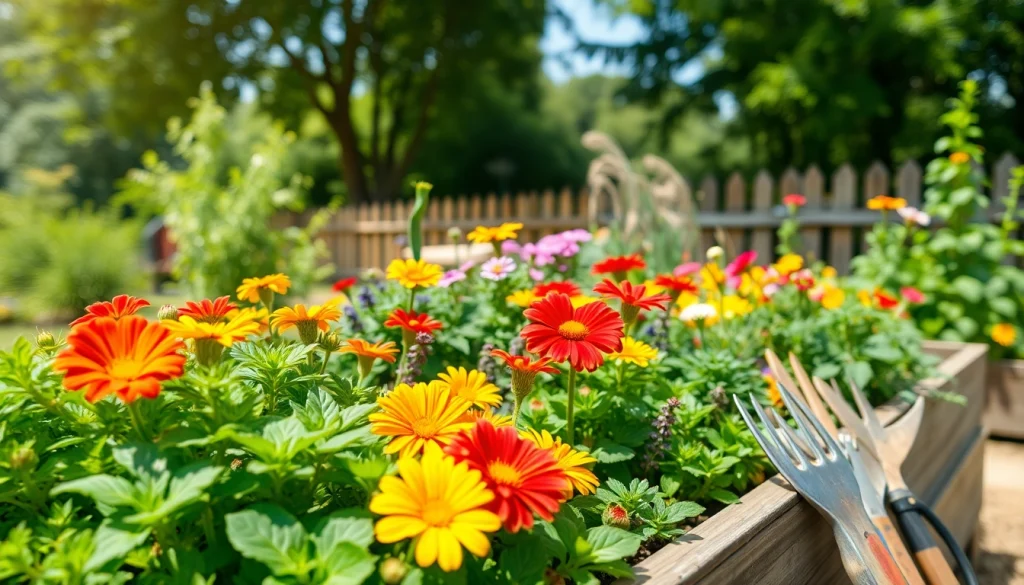
Introduction to Gardening Basics
Gardening is more than just a hobby; it’s a therapeutic practice that connects us with nature, allows for creative expression, and even contributes to environmental sustainability. At its core, Gardening is the process of growing plants for various purposes, including aesthetics, food, and recreation. As more people engage with this fulfilling activity, understanding the fundamentals becomes essential for success. In this guide, we will delve into everything you need to know about Gardening, whether you’re a seasoned green thumb or just starting out. We will explore essential tools, soil preparation, watering strategies, seasonal planting, and advanced techniques to help you cultivate a thriving garden. If you’re interested in enhancing your Gardening skills, read on.
Understanding Gardening: An Overview
Gardening encompasses a plethora of activities that revolve around the cultivation of plants. This broad definition covers growing vegetables, fruits, flowers, and herbs, along with landscaping and ornamental gardening. As one of the oldest human practices, Gardening has been shaped over centuries by different cultures, environments, and technological advancements. There are many reasons for cultivating a garden, including:
- Food Production: Many people grow their own vegetables and fruits to ensure a fresh supply of food.
- Aesthetic Appeal: Flowers and ornamental plants enhance the beauty of our homes and public spaces.
- Therapeutic Benefits: Gardening has been shown to reduce stress and promote mental well-being.
- Environmental Impact: By planting trees and native plants, gardeners can support local ecosystems and contribute positively to biodiversity.
Essential Gardening Tools and Their Uses
Having the right tools can make a significant difference in your Gardening experience. Below is a list of essential tools that every gardener should consider having in their toolkit:
- Hand Trowel: Ideal for planting, transplanting, and digging small holes.
- Pruning Shears: Necessary for trimming and shaping plants, as well as harvesting fruits.
- Garden Fork: Useful for loosening soil and aerating garden beds.
- Rake: Essential for leveling soil and removing debris.
- Watering Can or Hose: To ensure that your plants receive the right amount of water.
- Gardening Gloves: Protect your hands from thorns, dirt, and potential cuts.
Investing in high-quality tools will save time and energy in the long run, making your Gardening tasks more enjoyable and efficient.
Soil Preparation and Planting Techniques
Importance of Soil Health in Gardening
Soil is the foundation of every garden, holding the essential nutrients that plants need to thrive. Understanding your soil type and improving its health is crucial for successful Gardening. A soil test can determine pH levels and nutrient content, guiding you on how to amend it. Generally, a well-balanced garden soil should be:
- Rich in Organic Matter: Compost improves soil structure and fertility.
- Aerated: Good drainage is necessary to prevent waterlogging and root rot.
- Well-PH Balanced: Most plants prefer soil pH between 6.0 and 7.5.
Incorporating organic materials like compost and well-rotted manure is an excellent way to enhance soil health, promoting better plant growth.
Effective Planting Methods for Growth
When it comes to planting, the method you choose can greatly influence the success of your garden. Here are a few common planting techniques:
- Sowing Seeds: Directly planting seeds into the soil, taking care to follow spacing and depth guidelines for the specific plant.
- Transplanting Seedlings: Starting seeds indoors and then moving them to the garden once they are strong enough.
- Container Gardening: Suitable for those with limited space, providing flexibility in plant positioning and easy access for maintenance.
Understanding the specific needs of your plants and implementing the right planting methods will ensure that they receive the best chance of thriving in their new environment.
Gardening in Containers vs. Traditional Beds
Container gardening has gained popularity due to its versatility, making it ideal for urban settings or small spaces. Here’s a comparison of the two methods:
- Container Gardening:
- Easier to manage in limited space.
- Mobility allows for rearranging and optimizing sunlight exposure.
- Perfect for growing herbs, small vegetables, and decorative plants.
- Traditional Beds:
- More space for large vegetables and perennial plants.
- Less frequent watering required since soil retains moisture better.
- More suitable for larger-scale gardening.
Choosing between these methods ultimately depends on your available space, the types of plants you wish to grow, and your Gardening goals.
Watering and Maintenance Strategies
Best Practices for Watering Plants
Proper watering is crucial for plant health. Overwatering can lead to root rot, while underwatering can cause stress to your plants. Here are some best practices:
- Water Early or Late: Early morning or late evening is the best time to water to minimize evaporation.
- Deep Watering: Water thoroughly to encourage roots to grow deeper into the soil.
- Monitor Soil Moisture: Ensure topsoil is dry before watering again; a moisture meter can assist in determining this.
Establishing a consistent watering schedule based on plant needs and seasonal weather patterns will enhance growth and productivity.
Pest Management in Gardening
Pests can wreak havoc on your garden; however, proactive pest management can help minimize damage. Here are several strategies:
- Regular Monitoring: Inspect plants for signs of pests regularly to catch infestations early.
- Companion Planting: Some plants repel insects, while others attract beneficial predators.
- Natural Predators: Encourage ladybugs and other beneficial insects that feed on harmful pests.
Utilizing integrated pest management practices will foster a healthier environment for your plants while reducing the need for chemical interventions.
Regular Maintenance: Pruning and Weeding
After planting, the ongoing maintenance of your garden is essential. Regular tasks include:
- Pruning: Trim dead or unhealthy stems to promote new growth and better plant shape.
- Weeding: Hand-pulling or hoeing weeds prevents them from competing for nutrients and water.
- Feeding: Adding fertilizers according to the plant’s nutritional needs will boost growth and flowering.
Maintaining a consistent schedule for these tasks can significantly enhance the vitality and appearance of your garden.
Seasonal Gardening: What to Grow When
Gardening Calendar: Seasonal Planting Guide
Understanding what to plant during different times of the year is crucial for maximizing your garden’s potential. A basic planting calendar can help:
- Spring: Ideal for planting cool-season crops like peas, lettuce, and carrots.
- Summer: Time to sow warm-season vegetables such as tomatoes, squash, and peppers.
- Fall: Perfect for harvesting and also planting winter crops like garlic and certain greens.
- Winter: Use this timeframe to plan, order seeds, and prepare for the upcoming season.
Creating a personalized calendar based on your climate zone will optimize your Gardening experience.
Perennials vs. Annuals: Long-term Planning
When planning your garden, it’s essential to understand the difference between annuals and perennials:
- Annuals: These plants complete their lifecycle in one growing season and typically need to be replanted each year. They provide vibrant colors and blooms for a single season.
- Perennials: These plants return year after year, often growing larger and more robust with each cycle. Their upfront investment often leads to long-term savings.
Diverse plant selections that include both annuals and perennials will create an aesthetically pleasing garden that lasts through the seasons.
Adapting Gardening Techniques for Different Seasons
Gardening is about adapting your practices to suit seasonal changes. In spring, focus on bed preparation and planting, while summer may require increased watering and pest management. Harvesting will be a primary focus in the fall, and in winter, spend time assessing your garden’s needs and planning for the next year. This cycle allows you to learn from each season and improve your techniques continuously.
Advanced Gardening Practices
Organic Gardening Benefits and Techniques
Organic Gardening emphasizes working with nature rather than against it. This technique promotes biodiversity and minimizes the use of synthetic chemicals. Key practices include:
- Companion Planting: Growing plants together that can benefit each other helps create a balanced ecosystem.
- Natural Fertilizers: Utilize compost, manures, and other organic matter to enrich soil health.
- Crop Rotation: Changing the types of crops grown in specific locations each season can prevent pest buildup and improve soil fertility.
Adopting organic methods leads to healthier plants, improved soil quality, and environmental sustainability.
Companion Planting for Healthier Gardens
Companion planting is a technique that involves planting different plants in close proximity for mutual benefit. For instance, planting marigolds alongside vegetables can deter pests due to the flowers’ scent. Here’s how to implement this technique:
- Identify Friendly Pairs: Research which plants grow well together.
- Create Diverse Plantings: Organize plantings to benefit from each other’s strengths.
- Observe Plant Growth: Monitor the health and yield of companion planted beds for improvements.
Such practices can lead to holistic growth and promote a balanced garden ecosystem.
Scaling Up: From Home Garden to Small Farm
If your Gardening passion grows, you may consider scaling up to a small farm. Transitioning from a home garden to a larger operation requires planning and knowledge. Steps to consider include:
- Plan Your Layout: Consider crop rotation, accessibility, and water sources.
- Invest in Equipment: Owning larger tools can significantly streamline your work.
- Market Your Produce: If selling, research local demands and regulations.
Scaling up makes Gardening a more sustainable journey, allowing you to contribute to local food systems.
Conclusion
Gardening is a rewarding endeavor that fosters creativity, nurtures well-being, and even contributes to the health of the planet. By understanding the fundamentals—ranging from soil health and effective planting methods to seasonal strategies and advanced practices—you can cultivate a vibrant garden that flourishes throughout the year. Whether you opt for container Gardening or set out to embrace organic techniques, the knowledge shared in this guide will help you embark on a successful gardening journey. For more information and resources on Gardening, visit Gardening and explore the possibilities that await in your garden.