
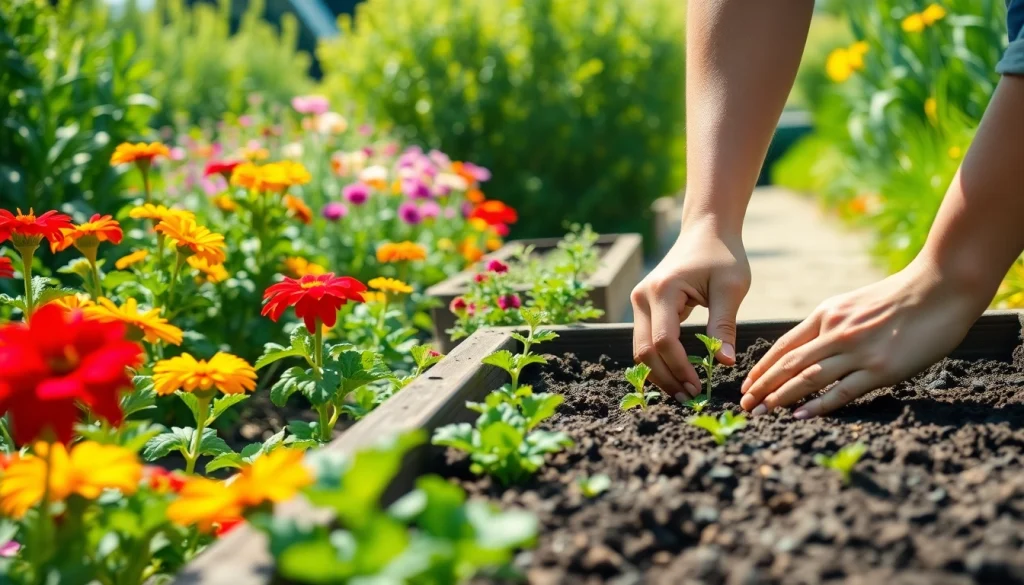
Getting Started with Gardening Basics
Gardening is one of the most rewarding hobbies you can undertake, providing not just aesthetic pleasure but also nutritional benefits and a sense of accomplishment. Whether you reside in a sprawling estate, a compact urban apartment, or somewhere in between, the art and science of gardening can be adapted to fit your needs. To help you embark on your gardening journey, we’ve compiled essential insights and information to help you succeed. Let’s dive into the foundational aspects of Gardening.
Understanding Soil Types for Gardening Success
The foundation of successful gardening is quality soil. Understanding different soil types is critical in selecting the right plants and ensuring optimal growth. There are several primary types of soil:
- Sandy Soil: Well-draining but may require additional nutrients.
- Clay Soil: Retains moisture well but can be heavy and compacted.
- Silty Soil: Balanced, rich in nutrients, and retains moisture effectively.
- Loamy Soil: A mix of sand, silt, and clay, considered ideal for most gardening activities.
Before planting, consider performing a soil test to determine the pH and nutrient levels. Adjustments can be made through the addition of organic matter or fertilizer to create an ideal environment for your plants.
The Importance of Sunlight in Gardening
Light is a vital component of plant health. Most garden plants require about 6-8 hours of direct sunlight daily. However, the amount of sunlight varies depending on the type of plants you’re looking to grow:
- Full Sun: Plants such as tomatoes and peppers thrive in ample sunlight.
- Partial Shade: Leafy greens benefit from this, as too much sunlight can cause bolting.
- Full Shade: Some plants, like ferns and certain types of hostas, flourish without direct sun exposure.
Understanding the sunlight requirements of your chosen plants will help in the placement of your garden beds and ensure your plants get the energy they need for optimal growth.
Essential Tools and Equipment for Every Gardener
Starting your gardening efforts can be overwhelming, but having the right tools can simplify many tasks. Here is a list of essential gardening tools:
- Shovel: For digging and moving soil.
- Hand Trowel: Ideal for planting seeds and small plants.
- Pruning Shears: For trimming and shaping plants.
- Garden Fork: Useful for aerating soil and mixing in compost.
- Watering Can or Hose: Essential for providing moisture to your plants.
Investing in high-quality tools can enhance your gardening experience and promote better plant health.
Choosing Plants for Your Garden
Selecting the right plants for your garden can make all the difference between a thriving garden and one that struggles. Below are critical considerations to guide your selections.
Top Vegetable Varieties to Grow in Your Garden
Vegetable gardening offers a tangible return on investment, both in terms of health and financial savings. Here are some of the most popular and easy-to-grow vegetables:
- Tomatoes: Versatile and a favorite among many gardeners.
- Zucchini: A prolific producer, perfect for beginner gardeners.
- Carrots: Easy to plant and rewarding to harvest.
- Lettuce: Grows quickly and can be harvested multiple times.
- Bell Peppers: Adds color and flavor to meals.
When selecting vegetables, consider your climate, soil type, and sunlight exposure.
Flowering Plants that Thrive in Different Climates
In addition to vegetables, flowering plants play a vital role in enhancing the visual appeal of your garden. Depending on your climate zone, you can choose from various flowering plants:
- Perennials: Such as echinacea and daylilies that return year after year.
- Annuals: Petunias and marigolds offer vibrant color for one season.
- Bulbs: Tulips and daffodils bring stunning spring blooms.
Understanding your hardiness zone helps guide the selection of flowering plants that will not only survive but thrive.
Native Plants: Benefits for Your Gardening Ecosystem
Incorporating native plants into your garden is beneficial for both the environment and your garden’s health. Native plants are adapted to local soils, climates, and pests, making them more resilient. Some benefits include:
- Lower Maintenance: They require less water and fewer fertilizers.
- Support Local Wildlife: Native plants provide habitat and food for local wildlife, insects, and birds.
- Biodiversity: Enhance your garden’s biodiversity, contributing to a more balanced ecosystem.
Research local native plants to find species that will work well in your garden and offer these ecological benefits.
Advanced Gardening Techniques
For those who seek to elevate their gardening skills, adopting more advanced techniques can lead to increased yields and healthier plants.
Companion Planting: Maximizing Your Space
Companion planting involves strategically placing plants that benefit each other when grown together. Examples include:
- Tomatoes and Basil: Basil repels pests and enhances the flavor of tomatoes.
- Carrots and Onions: Onions deter carrot flies.
- Corn, Beans, and Squash: Known as the Three Sisters, these plants support each other’s growth.
Companion planting not only maximizes space but can also lead to healthier plants through natural pest management.
Organic Gardening Practices for Healthier Yields
Organic gardening eschews synthetic fertilizers and pesticides in favor of natural alternatives. Techniques include:
- Crop Rotation: Prevents soil depletion and pest build-up.
- Cover Crops: Improve soil health and prevent erosion during off-seasons.
- Natural Pest Control: Using beneficial insects or organic treatments to manage pests.
Implementing organic practices leads to healthier produce and contributes to sustainable gardening.
Using Raised Garden Beds for Enhanced Growth
Raised garden beds have become increasingly popular for their many advantages, including:
- Improved Soil Quality: You can control the soil type, ensuring optimal growth conditions.
- Better Drainage: Prevents waterlogging, which is detrimental to many plants.
- Accessibility: Easier to work with for those with physical limitations.
When building raised beds, consider the height and width for optimal accessibility and plant health.
Common Challenges in Gardening
No gardener is immune to facing challenges. However, being well-equipped to tackle common issues can lead to greater success in your gardening endeavors.
Pest Management Strategies for Organic Gardens
Pests can pose significant threats to your plants, but there are several organic strategies to manage them effectively:
- Integrated Pest Management (IPM): Combines cultural, biological, and chemical practices for effective control.
- Natural Predators: Attract beneficial insects like ladybugs or lacewings that eat common pests.
- Homemade Insecticidal Soap: A simple solution for controlling soft-bodied insects.
Monitoring and maintaining healthy plant vitality will also help prevent pest infestations.
How to Deal with Weather Extremes in Gardening
Weather variations can greatly impact your garden. Consider the following strategies to counter extreme conditions:
- Mulching: Helps retain moisture and regulate soil temperature.
- Windbreaks: Protect plants from harsh winds using fences or tall plants.
- Frost Protection: Use row covers or cloches to shield plants from unexpected frosts.
Being proactive in adapting your gardening practices in response to weather changes can significantly improve resilience.
Maintaining Soil Health Throughout the Seasons
Soil health is paramount for a thriving garden. Regular practices include:
- Composting: Incorporating organic matter to enrich soil nutrients.
- Aerating: Loosens compacted soil, allowing for better root growth.
- Testing pH Levels: Regular checks can help maintain nutrient balance in the soil.
Healthy soil leads to stronger plants capable of facing environmental challenges.
Future Trends in Gardening
The gardening landscape is constantly evolving, influenced by global challenges and innovations. Understanding these trends can help you stay ahead.
Vertical Gardening: Space-Saving Solutions
As urban living spaces shrink, vertical gardening has gained popularity. This involves growing plants upwards using structures such as:
- Vertical Planters: Utilizes wall space effectively.
- Pallet Gardens: Wooden pallets can be repurposed to create small, mobile gardens.
- Hanging Baskets: A traditional method that allows for effective use of overhead space.
Vertical gardening maximizes limited spaces while adding visual interest to urban settings.
Sustainable Practices for Eco-Friendly Gardening
More gardeners are leaning towards sustainable practices that minimize environmental impact. This includes:
- Water Conservation: Using drip irrigation systems or rain barrels.
- Local Sourcing: Selecting native plants or local seeds to conserve resources.
- Organic Materials: Using biodegradable products when possible to minimize waste.
Adopting sustainable practices enriches your garden while contributing positively to the environment.
Using Technology to Innovate Gardening Techniques
Technological advancements are reshaping how we approach gardening. Examples include:
- Smart Irrigation Systems: Technology that adjusts watering schedules based on soil moisture levels.
- Garden Apps: Tools that help track plant care and garden design.
- Hydroponics and Aquaponics: Soil-free growing methods that can enhance yields in limited spaces.
Embracing technology in gardening leads to increased efficiency and potentially higher yields.