
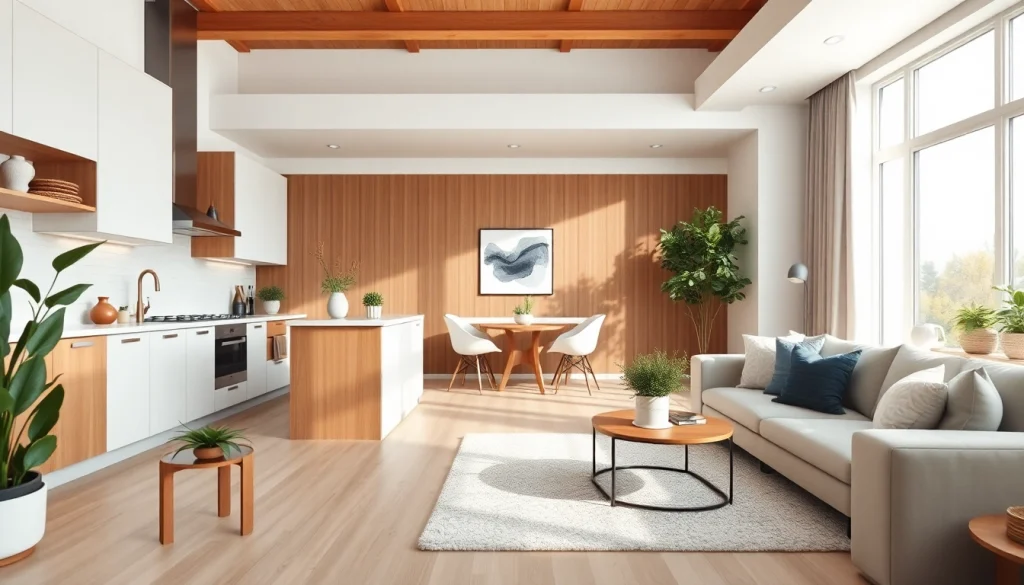
Understanding Home Renovation: What You Need to Know
Embarking on a Home renovation journey can be both exciting and overwhelming. This process involves not just reimagining your living space but also understanding the intricacies involved, from planning and budgeting to execution and maintenance. Whether you’re looking to enhance the functionality of your home or simply update its aesthetic appeal, having a solid foundation of knowledge about home renovation can significantly influence the success of your project.
Defining Home renovation: Scope and Benefits
Home renovation encompasses various projects aimed at improving, modernizing, or restoring a home. This can range from minor cosmetic updates, such as painting and decorating, to major structural changes, including room additions and complete home overhauls. Some key benefits of home renovation include:
- Increased Property Value: Well-planned renovations can boost your home’s market value significantly. Projects like kitchen remodels, bathroom upgrades, and energy-efficient improvements are known to yield high returns on investment.
- Enhanced Comfort and Functionality: Renovating allows you to tailor your living space to your current needs, potentially improving everyday functionality and livability.
- Personalization: Home renovations provide an opportunity to express personal style, making your living space feel more like “home.”
- Energy Efficiency: Updating old appliances, windows, and insulation not only reduces energy costs but also lessens your environmental impact.
Common Reasons for Home renovation Projects
There are numerous motivations behind embarking on a renovation project, some of the most common include:
- Expanding Space: As families grow, the need for additional space becomes crucial. Whether through room additions or finishing a basement, expansion is a primary driving force.
- Updating Outdated Features: A home with outdated systems (like plumbing and electrical) can pose risks and may require modernization to meet current standards.
- Increasing Energy Efficiency: Many homeowners are motivated to reduce their energy bills by investing in new windows, insulation, and appliances.
- Home Resale: Preparing a home for sale often leads to renovations, with the aim of enhancing marketability and sale price.
Identifying Your Renovation Priorities
Determining which renovations should take precedence can be an overwhelming task, especially with so many potential projects. Consider these strategies for establishing your renovation priorities:
- Assess Your Needs: Evaluate your family’s changing needs. Consider functionality, space, and lifestyle when prioritizing projects.
- Create a Wish List: List all potential renovation ideas and categorize them into must-haves, nice-to-haves, and future projects. This will help with budgeting and timelines.
- Budget Considerations: Understanding your financial limitations is crucial. Prioritize renovations that provide the best return on investment first.
Planning Your Home Renovation: Best Practices
Effective planning is the cornerstone of successful Home renovation projects. A well-structured approach can help mitigate stress and keep your renovation on track.
Setting a Realistic Budget for Home renovation
Budgeting is one of the most critical components of a successful renovation. Here are steps to create a realistic budget:
- Research Costs: Investigate the cost of materials, labor, permits, and any unexpected expenses that may arise.
- Include Contingencies: Set aside funds—generally about 10-20% of your budget—specifically for unexpected costs.
- Prioritize Essential Items: Focus your budget on what will bring the most value or necessity to your renovation first.
Creating a Comprehensive Timeline
Your renovation timeline is crucial for keeping the project organized. Consider the following tips for creating an effective timeline:
- Define Phases: Break your project into manageable phases and outline clear deliverables for each stage.
- Realistic Timelines: Account for potential delays from contractor schedules, shipment of materials, and unforeseen complications.
- Set Milestones: Establish key milestones to celebrate progress and keep your motivation high during the renovation process.
Researching Design Ideas and Trends
Staying current with design trends can inform your renovation choices and help create a space that is appealing and functional. Here are several strategies for effective research:
- Explore Online Resources: Utilize platforms such as Pinterest or Houzz for inspiration and to see what styles resonate with your vision.
- Consider Professional Input: Engaging with designers or architects can provide you with insight into innovative designs and layouts that you may not have considered.
- Study Local Trends: Observe home renovations in your area for insights into what appeals to potential buyers and what fits seamlessly into the neighborhood aesthetics.
Executing Your Home Renovation: Steps to Success
Once planning is complete, it’s time to turn your vision into reality. The execution phase is where your carefully laid plans take shape, demanding attention to detail and adaptability.
Choosing the Right Professionals for Home renovation
While some homeowners opt for DIY renovations, many projects require skilled professionals. Selecting the right contractors is crucial for ensuring quality work:
- Seek Recommendations: Ask friends, family, or colleagues for referrals based on their experiences.
- Check Credentials: Verify licenses, insurance, and any relevant trade certifications of potential contractors.
- Review Portfolios: Examine previous work and read client reviews to better understand the contractor’s capabilities and style.
Permits and Regulations: What You Should Know
Before starting any work, it’s vital to understand local regulations and obtain the necessary permits for your renovation.
- Research Local Laws: Local codes vary widely, so inquire about zoning laws and building codes in your area.
- Apply for Permits Early: Submit applications for required permits early in the process to avoid delays later on.
Staying Organized During the Renovation Process
During the renovation, maintaining organization can simplify the process and help you navigate challenges effectively:
- Document Everything: Keep detailed records of contracts, receipts, and communication with contractors to stay organized.
- Regular Check-ins: Schedule regular meetings with your contractors to discuss progress, address issues, and make decisions as necessary.
- Maintain Flexibility: Expect the unexpected and maintain a flexible approach to changes that may be required during renovations.
Home Renovation Styles: Finding Your Aesthetic
Finding the right aesthetic is a pivotal part of home renovation that reflects your personality and lifestyle. Consider these popular styles:
Exploring Popular Home renovation Styles
Several distinct styles dominate home renovations today, each with unique characteristics:
- Modern: Characterized by sleek lines, minimalism, and a neutral color palette, modern design focuses on simplicity.
- Rustic: This style often employs natural elements like wood and stone, creating warm and inviting environments that showcase organic beauty.
- Industrial: Inspired by warehouses and urban lofts, this style typically features exposed brick, metal fixtures, and a raw aesthetic.
- Traditional: A classic style featuring timeless design elements, symmetry, and rich color palettes, which often includes ornate detailing.
Incorporating Personal Touches into Your Renovation
No renovation is complete without reflecting personal tastes. Here are ways to incorporate your individuality:
- Custom Fixtures: Introduce custom light fixtures, cabinetry, or hardware that tells a story or reflects your background.
- Use Art and Decor: Select art pieces and decor that resonate with you and add character to your home, such as family photographs or collectibles.
- Personalized Spaces: Create dedicated areas for hobbies or interests (like a home library or art studio) that showcase your passions.
Balancing Trends and Timelessness in Design
While it’s tempting to adopt every new trend, finding a balance between trendy elements and timeless design can lead to a more satisfying renovation:
- Choose Neutral Bases: Use classic neutral palettes as your foundation, allowing you to add trendy accents without overwhelming the space.
- Invest in Quality: Choose timeless quality materials (like hardwood floors or stone countertops) that will endure beyond fleeting trends.
- Limit Trend-Forward Choices: Be selective about incorporating bold trends; opt for elements that can be easily changed out as styles evolve.
Post-Renovation Considerations: Maintaining Your Home
Congratulations! Your renovation is complete. However, maintenance is vital to ensure your home continues looking and functioning its best.
Tips for Keeping Your Renovated Home in Top Shape
Once the dust settles, regular upkeep becomes essential to preserve your renovated space:
- Routine Inspections: Regularly check plumbing, electrical systems, and HVAC units to ensure everything operates efficiently.
- Schedule Maintenance: Create a maintenance schedule for appliances, landscaping, and exterior upkeep to avoid larger issues down the line.
The Importance of Regular Maintenance and Upgrades
Regular upgrades and maintenance can prevent deterioration and maximize the longevity of your renovation:
- Stay Ahead of Repairs: Identify issues early to avoid costly repairs later; this includes keeping an eye on wear and tear.
- Upgrade when Necessary: As technology and design trends evolve, consider incorporating smart home technology for improved efficiency and convenience.
Evaluating the Long-Term Value of Your Home renovation
Post-renovation, it’s essential to assess the overall impact of your efforts:
- Market Impact: Monitor local market conditions to gauge how your renovations have affected your home’s value.
- Personal Satisfaction: Reflect on the satisfaction of living in a space designed to meet your aesthetic and functional needs.
- Future Planning: Plan for future renovations based on changing needs, and consider long-term maintenance costs against the investment in upgrades.